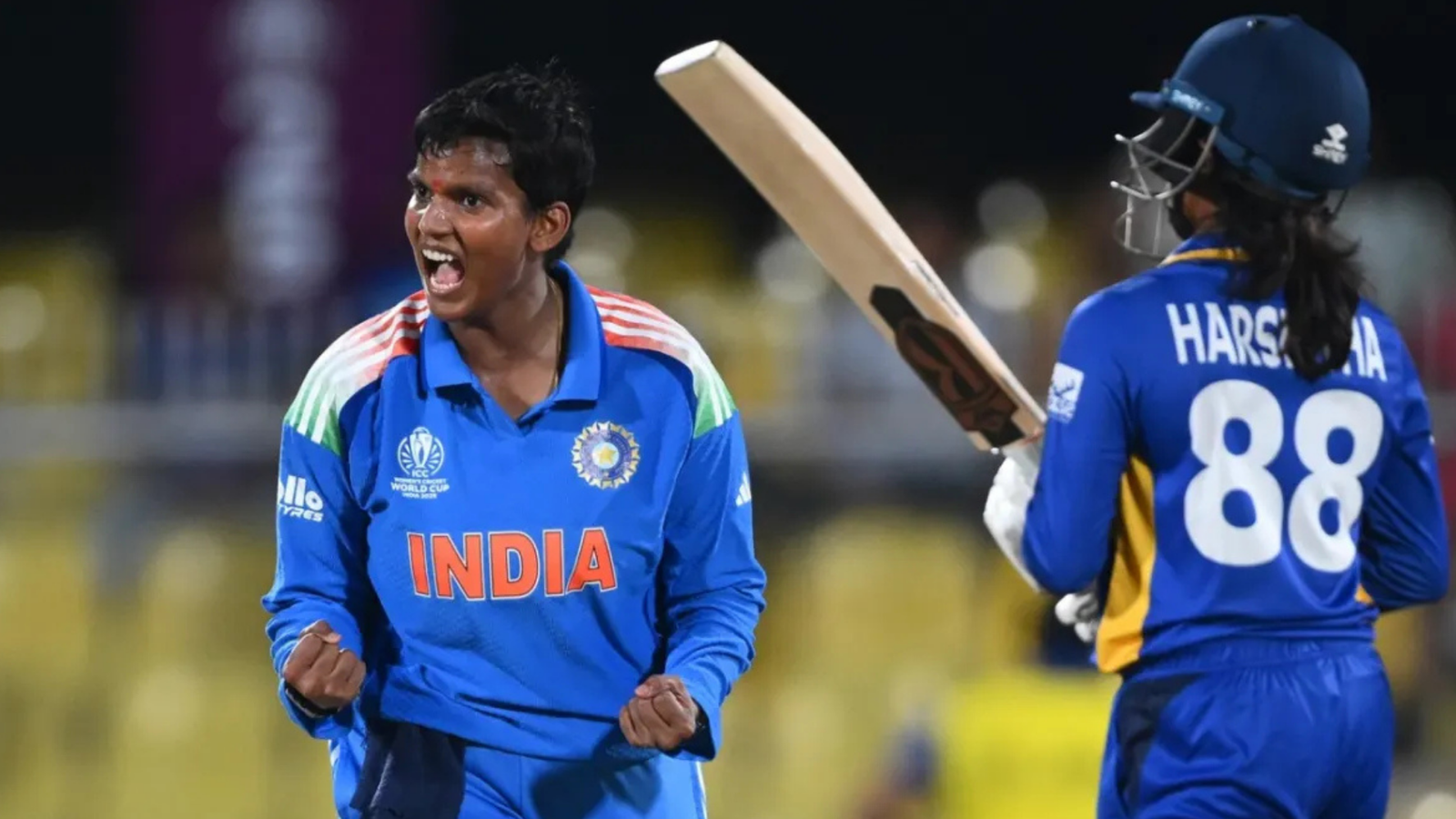

With the 2026 edition of the Women’s Premier League fast approaching, the Indian women’s cricket team will embark on a significant preparatory phase through their December T20 International series against Sri Lanka. Scheduled between 21 and 30 December, the five-match affair will be divided across two venues, beginning in Visakhapatnam before shifting to Thiruvananthapuram for the final three encounters.
For India, this is more than just a bilateral contest—it is a key component of their wider strategy ahead of the 2025 ICC Women’s T20 World Cup in England. The series will offer head coach and selectors a valuable window to evaluate player form, fine-tune tactical frameworks, and address persistent areas of inconsistency, particularly in the middle-order batting lineup and in death-over bowling.
The timing of the series is equally significant. India were initially due to face Bangladesh at home for a sequence of ODIs and T20Is. However, that tour was abruptly postponed earlier this month, leaving a gap in India’s international calendar. Recognising the need for competitive match exposure, the BCCI swiftly negotiated with Sri Lanka to ensure that India did not enter the WPL and the T20 World Cup underprepared.
Indian fans will be keen to see how the side approaches selection for the five-match contest. With no Sri Lankan representation in the WPL franchises, the opponents will rely heavily on their core squad, making it a stern test of their resilience and adaptability against a strong Indian setup. The series will likely feature India’s full-strength line-up, though rotation policies may be implemented across the latter matches to experiment with younger talents.
Sri Lanka have also welcomed the opportunity enthusiastically. Their past few tours have yielded mixed performances, prompting calls for a more stable and confident approach to the T20 format. Facing India on their home soil is widely viewed as an ideal high-pressure scenario to test their growth. Their coaching department is expected to focus on powerplay batting efficiency, spin control in the middle overs, and maintaining disciplined fielding standards over the course of the series.
Meanwhile, the WPL—starting on 9 January 2026—serves as another influencing factor. Players who perform strongly in the bilateral series may carry that momentum into the domestic franchise tournament. With matches held in Navi Mumbai and later in Vadodara, the WPL’s second edition is expected to surpass its predecessor in both competitiveness and commercial impact.
India’s broader calendar remains packed, with the team set to visit Australia for an all-format tour shortly after the WPL. This makes the December series particularly important as it provides one of the final structured opportunities to refine match readiness.