
India arrive for the ODI leg of their South Africa tour in a visibly shaken state after a disappointing 2–0 Test series defeat. The sense of instability around the team is unmistakable: they are preparing to field their third captain in three consecutive international matches. This time, KL Rahul is called to lead after Shubman Gill was ruled out with a neck injury following months of relentless cricket. Their designated ODI vice-captain, Shreyas Iyer, is also unavailable due to a painful rib injury sustained during a catching attempt in Australia.
It is an unusual and uncomfortable situation for India, a side that normally takes the field with settled leadership and clarity in the batting order. Instead, the team enters the ODI series with major questions hovering over nearly every department. The absence of Gill at the top and Iyer in the middle order forces India to re-engineer their structure at a time when they would prefer consistency.
Despite the turbulence, the ODI format has long been India’s stronghold. They have won the Asia Cup, the Champions Trophy and reached the final of the most recent World Cup, losing only one match throughout the entire tournament. Yet the forthcoming World Cup in 2027, to be hosted in South Africa, makes this series particularly instructive. India must assess several pressing concerns: whether Rohit Sharma and Virat Kohli can remain competitive until 2027, how to manage workloads of senior players and how to identify a reliable seam-bowling all-rounder—something the team has lacked for years.
South Africa, however, do not enter this series burdened by uncertainty. They have just beaten India convincingly in the Tests and appear buoyed by self-confidence. Although they will miss Kagiso Rabada, the return of Aiden Markram and Temba Bavuma brings greater stability. In addition, left-arm spinner Keshav Maharaj offers the control they seemed to miss in their recent visit to Pakistan.
Although this is a short, three-match series, the contests promise intensity. India’s form in their last five ODIs reads WLLWW, while South Africa’s stands at LWLLW. Neither team possesses overwhelming dominance in the head-to-head record either: since 2006, both teams have won five bilateral ODI series each.
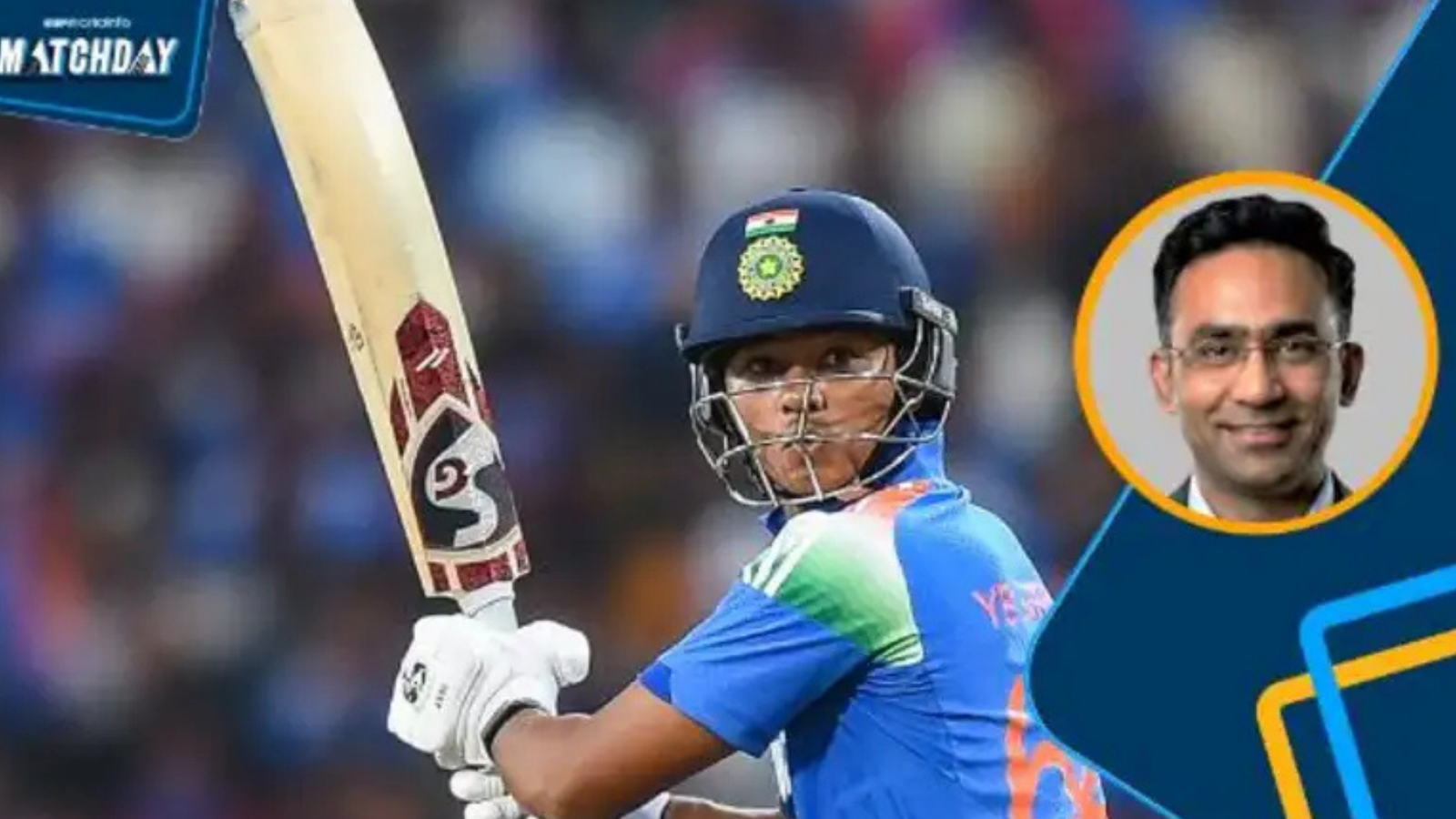
India face selection dilemmas as well. Yashasvi Jaiswal is expected to open in Gill’s absence. The middle-order slot vacated by Iyer may fall to Ruturaj Gaikwad, although the returning Rishabh Pant also remains in contention. However, India require two all-rounders in their XI, which complicates Pant’s chances. Nitish Kumar Reddy might be given a run if India decide to replicate the formation used in Australia, where they played three all-rounders for batting depth.
South Africa’s likely XI includes Markram returning to the top, Bavuma at No. 3 and the highly-rated Matthew Breetzke—who averages 67.75 and has scored fifty or more in each of his first five ODIs.
Ranchi, the venue for the first match, offers a slow surface where only one ODI total above 300 has been recorded. Dew is expected to influence proceedings significantly.
India need more than a win—they need a sense of direction. Their ODI pedigree suggests they will be competitive, but with injuries, leadership flux and rising questions about the future of their senior icons, the pressure is firmly on them.