

COSTA NAVARINO, Greece, March 18, 2025 (BSS/AFP) – The race to succeed Thomas Bach as the 10th president of the International Olympic Committee (IOC) is nearing its conclusion, with the more than 100 members set to vote in the Greek resort of Costa Navarino on Thursday.
AFP Sports highlights four notable former IOC presidents:
Baron Pierre de Coubertin (FRA) 1896-1925
The French aristocrat is regarded as the founder of the modern Olympic Games, though his legacy remains controversial. Critics point to de Coubertin’s personal views, such as his belief in racial superiority and his opposition to women’s participation in public sports competitions. Despite these views, Thomas Bach, the current president of the IOC, argues that de Coubertin should be judged in the context of his time rather than by modern-day standards.

Avery Brundage (USA) 1952-1972
Brundage’s tenure as IOC president was marred by his far-right sympathies and pro-Nazi stance. A supporter of the Nazi regime, he delivered a pro-Germany speech following the 1936 Berlin Games. His presidency also coincided with several controversies, including the expulsion of American athletes Tommie Smith and John Carlos after their Black Power salute at the 1968 Mexico City Olympics. Brundage’s response to the 1972 Munich massacre, where 11 Israeli hostages were killed by Palestinian terrorists, was widely criticised. At a memorial ceremony, he controversially insisted that the Games “must go on,” dismissing the politicisation of sports.
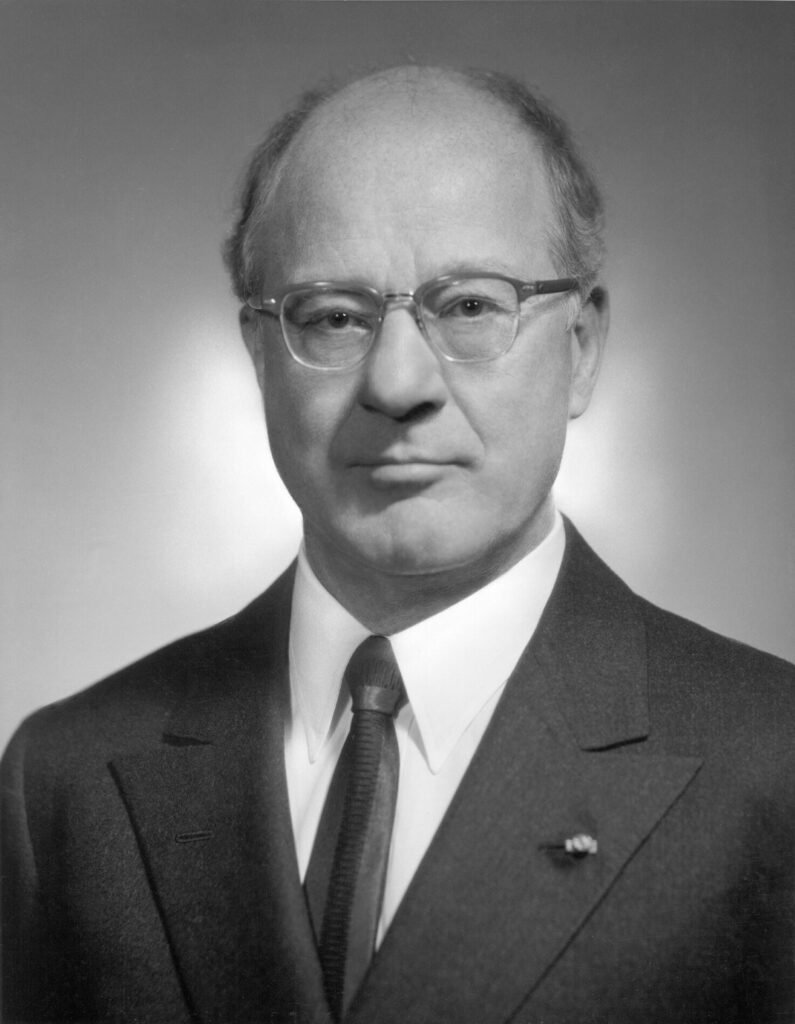
Lord Michael Killanin (IRL) 1972-1980
The Irish noble, who had previously been involved in the planning of the D-Day landings, faced numerous challenges during his eight-year term. His presidency saw multiple boycotts, including the 1976 Montreal Games, which were financially disastrous, and the 1980 Moscow Olympics, where over 60 countries boycotted due to the Soviet invasion of Afghanistan. Despite these crises, Killanin successfully led the effort to reintegrate China into the Olympic fold. His health, however, suffered during his presidency, and he experienced a heart attack in 1977. Reflecting on his tenure, Killanin expressed regret that political crises dominated his time in office, hindering his ambition to modernise the IOC.
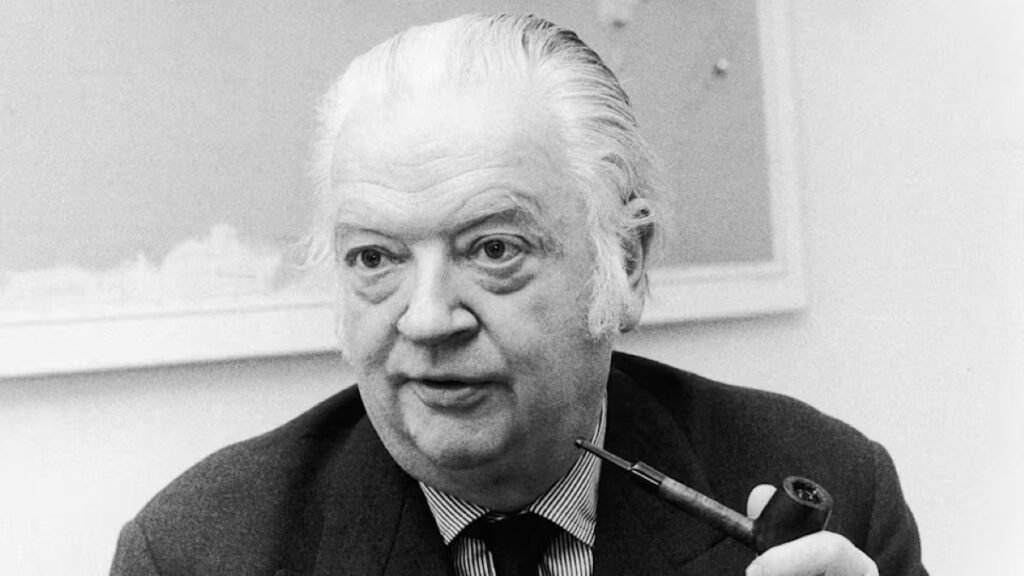
Juan Antonio Samaranch (ESP) 1980-2001
Samaranch, a former sports minister under the Spanish dictator Francisco Franco, transformed the IOC during his presidency. His leadership ushered in financial prosperity for the Olympic Movement, driven by TV rights deals and sponsorship agreements initiated in 1985. However, his later years in office were overshadowed by the Salt Lake City bribery scandal, in which IOC members were found to have accepted gifts in exchange for votes. While the scandal was not illegal, it tarnished the IOC’s image. Despite this, Samaranch’s legacy is largely seen as positive, as he is credited with saving the Olympics from financial and political ruin.
Supplementary Information:
The role of the IOC president is both influential and challenging, as they navigate a complex web of political, financial, and social issues while ensuring the success and sustainability of the Olympic Games. These former presidents have left enduring legacies, both positive and negative, that continue to shape the direction of the Olympic Movement.