
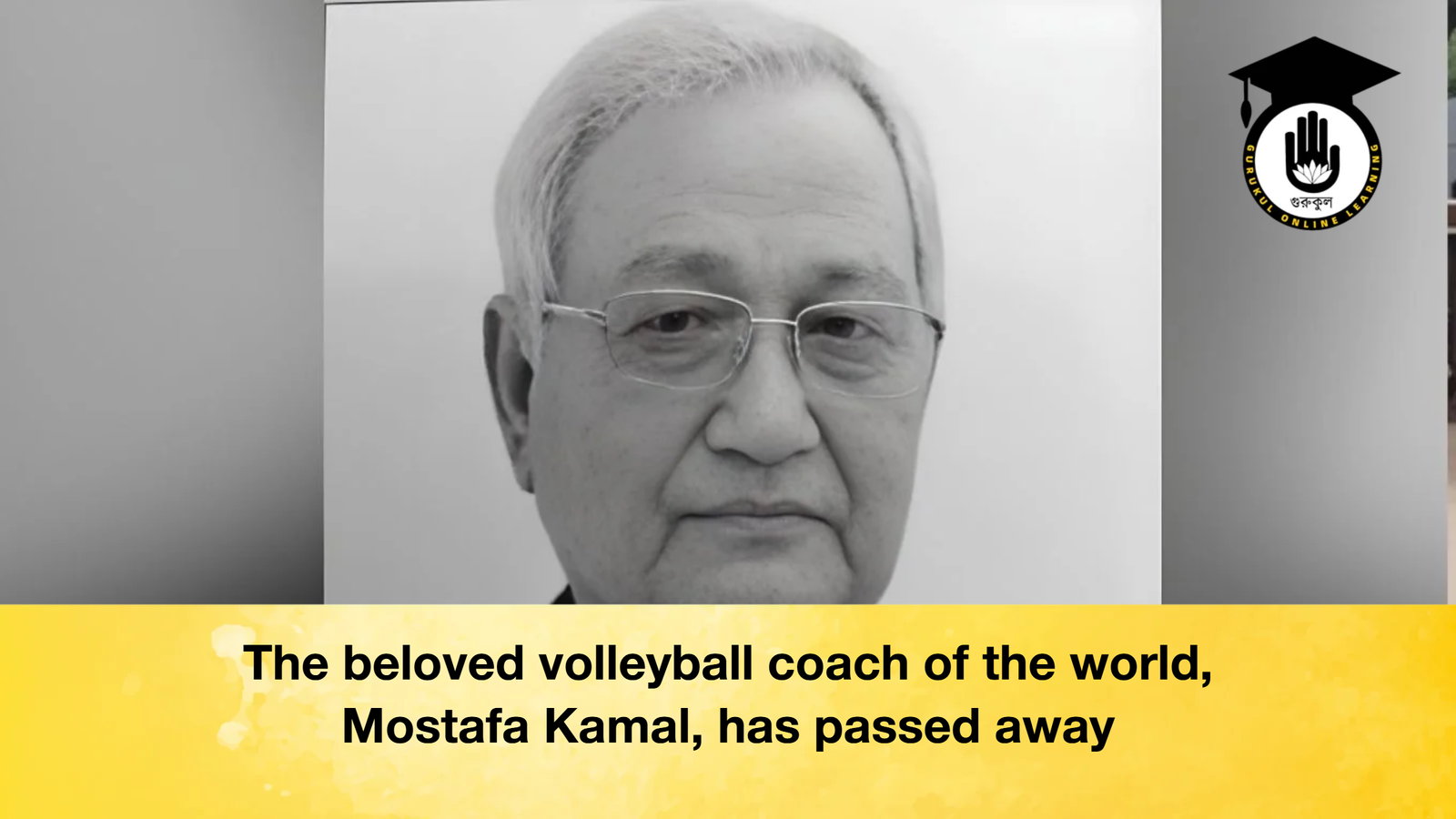

Mustafa Kamal, the former coach of Bangladesh’s national volleyball team, lifelong member of the Bangladesh Sports Press Association (BSPA), and prominent sports organiser, passed away early this morning at his residence in Dhaka. He was 88.
Suffering from chronic kidney disease and other health complications, Kamal drew his last breath on Sunday, 1 February. He leaves behind his wife and two daughters, along with countless admirers and protégés in the national sports community.
Renowned for his multifaceted contributions to sports in Bangladesh, Kamal played a pivotal role not only as the national volleyball coach but also as the Vice-President and an active organiser of the Bangladesh Volleyball Federation. His influence extended beyond coaching, as he was also recognised for his work as a sports journalist, providing in-depth analysis and reporting that enriched the country’s sporting discourse.
The Bangladesh Sports Press Association (BSPA) has expressed profound grief over his passing. In an official statement, the association prayed for the eternal peace of his soul and conveyed heartfelt condolences to his bereaved family.
Funeral arrangements have been announced as follows:
| Event | Date & Time | Venue | Notes |
|---|---|---|---|
| First Janaza (funeral prayer) | Sunday, 1 February, after Zuhr prayer | Shantinagar Eastern Plus Shopping Mall Jame Mosque, Dhaka | Immediate congregation for family and close associates |
| Second Janaza | Sunday, 1 February, 2:30 PM | Bangabandhu National Stadium, Dhaka | Public attendance encouraged |
| Burial | Sunday, 1 February, after second Janaza | Rayerbazar Buddhijibi Graveyard, Dhaka | Final resting place |
Mustafa Kamal’s legacy is firmly embedded in the nation’s sporting history. His guidance of the national volleyball team helped shape Bangladesh’s presence in regional and international tournaments, while his organisational acumen contributed to the growth of volleyball and other sports nationwide. Many former athletes and sports journalists credit Kamal for nurturing talent and promoting a culture of discipline and dedication in Bangladeshi sports.
Beyond the field, his writings as a sports journalist reflected his deep understanding of athletics and his commitment to promoting transparency, fair play, and professional standards in sports coverage.
As the country mourns, tributes continue to pour in from across the sporting fraternity, highlighting Kamal’s lasting impact as a coach, mentor, organiser, and chronicler of Bangladesh’s sports history. His life and work remain an inspiration for generations of athletes, coaches, and sports enthusiasts.