
“My Choice, My Country”—this slogan blazed across a giant billboard in Tehran’s Valiasr Square, heralding a rare celebration of the Iranian women’s national football team. The ceremony was broadcast live on the country’s state television, with players standing in disciplined formation alongside government officials. A group of flag-bearing supporters cheered them on, offering a public display of admiration for their bravery.
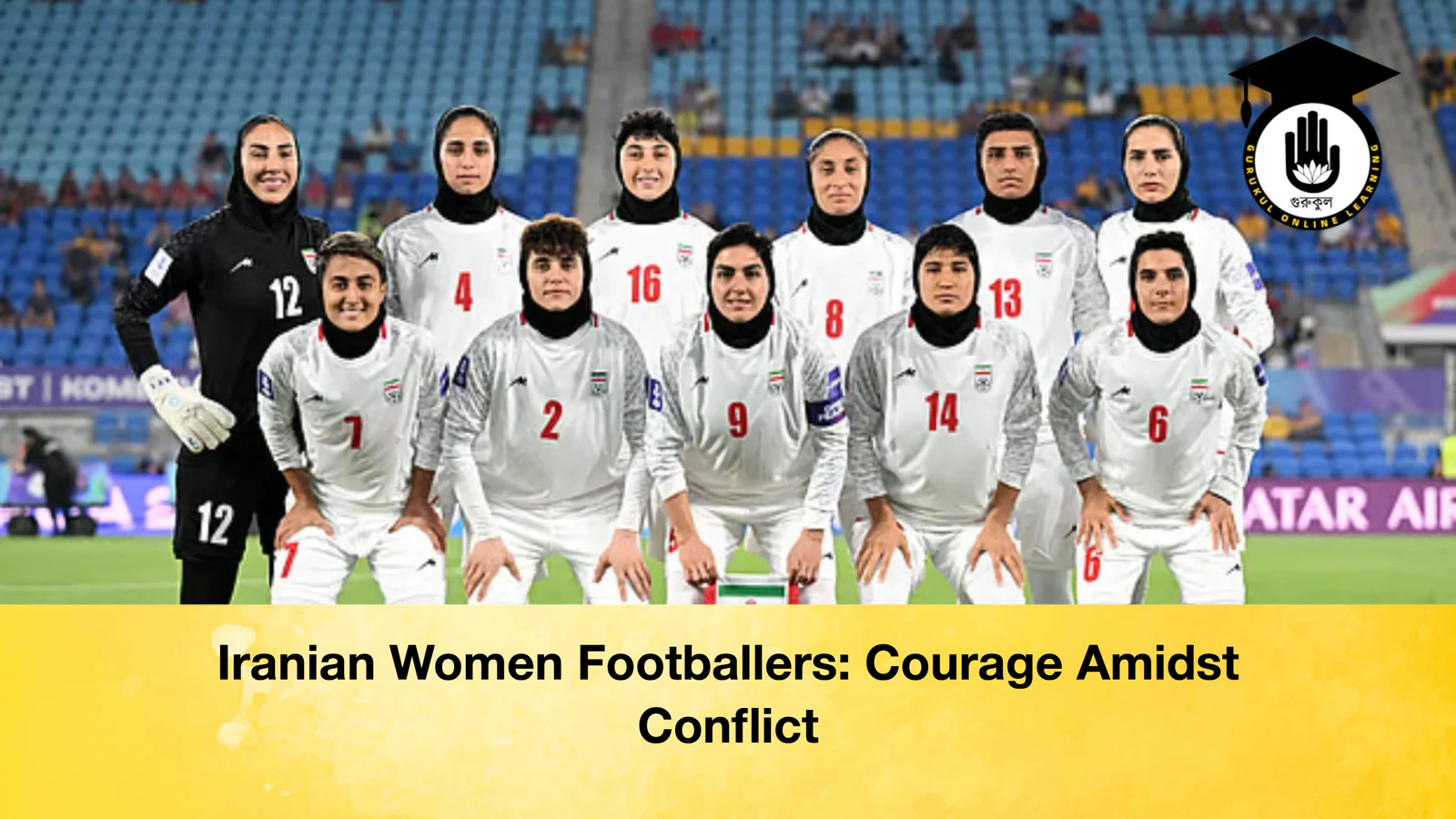
Much like England’s national women’s team, Iran’s team is nicknamed the Lionesses. In the recent AFC Women’s Asian Cup in Australia, Iran lost all three of their group matches. Yet, for the Iranian government, the homecoming of these players was a symbolic victory. Only days earlier, the team captain, five players, and a kit-woman were staying in a Brisbane safe house, considering seeking asylum abroad. In the end, only two remained overseas.
Mehdi Taj, president of the Iran Football Federation, stated, “These athletes are loyal to their homeland, flag, leadership, and revolution.” Donning their team jerseys and mandatory black hijabs, the players stood on stage singing the national anthem. However, British media outlet The Times reported that the women appeared visibly somber, reflecting the immense pressure they were under.
A Nation in Turmoil
Many players are just 21 years old, facing impossible choices:
- Stay in Iran: Risk life under a war-torn nation and an oppressive regime responsible for the deaths of thousands of friends and compatriots.
- Seek asylum in Australia: Gain personal safety and freedom, but expose families back home to severe danger.
Former national player Mohammad Taghavi, now exiled in England, told The Times: “If they identify your family as a vulnerability, they weaponise it. These girls are essentially children. Imagine the anguish of mothers pleading for their children’s safety.”
Until recently, women were forbidden from attending stadiums in Iran, often sneaking in disguised as men. In 2019, Sahar Khodayari, known as the “Blue Girl,” attempted to enter Azadi Stadium, was arrested, and later set herself on fire, dying in hospital. FIFA mandates that national women’s teams exist to maintain membership eligibility for international competitions. Iran’s participation in the 2026 World Cup remains uncertain due to ongoing regional conflict.
The Australian Cup and Political Pressure
During the AFC Women’s Asian Cup, Iran’s first match against South Korea on 2 March coincided with the outbreak of regional warfare. The players did not sing the national anthem, prompting state TV commentators to label them “traitors at war” and call for their execution. In subsequent games, the players saluted militarily instead of singing.
Australian support and international attention intensified as the team sought safety. A decade-long Iran football follower, Lee Swansboro, aged 55, located the team in Brisbane and later helped monitor their safety. She noted the trauma they carried from January’s government crackdown, which resulted in at least 30,000 casualties.
| Player Name | Age | Location in Australia | Status |
|---|---|---|---|
| Atefeh Ramazanzadeh | 34 | Brisbane Safe House | Remains Overseas |
| Fatemeh Pasandideh | 21 | Brisbane Safe House | Remains Overseas |
| Remaining Team Members | 18–25 | Kuala Lumpur Hotel | Returned to Iran |
Half the team was eventually relocated to Kuala Lumpur, while threats to families forced others to return to Iran. Swansboro observed that players had no public access within the hotel; even simple actions like buying coffee were prohibited due to government surveillance.
A Heroic but Uncertain Future
Despite the state-organised homecoming, the players face uncertain futures. Swansboro warned that, once the immediate crisis passes, reprisals could include career bans or worse.
The Iranian women’s football team’s journey is far more than sport—it is a testament to courage, resilience, and the relentless pursuit of freedom amid oppression and conflict.