Almost a year ago, Australia found themselves scrambling for a reliable Test opener — a position that seemed to have turned into a revolving door. With no clear candidate available, the selectors opted for a temporary fix by promoting Nathan McSweeney from his natural No. 3 position to face the new ball against India’s pace spearhead Jasprit Bumrah. That experiment, however, proved short-lived, lasting only three Tests before the selectors pivoted to a bold choice in Sam Konstas, hoping his flair could provide the spark they needed at the top.
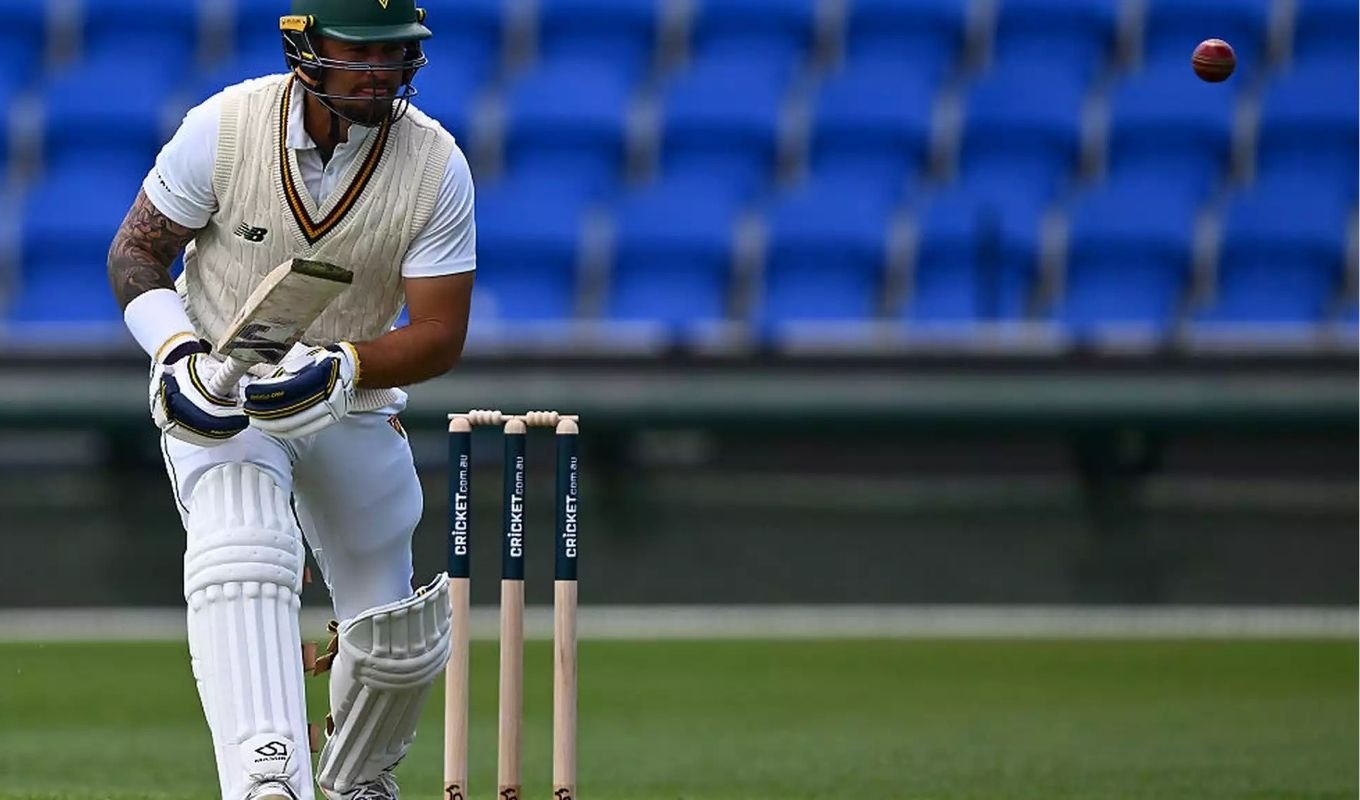
Twelve months on, Australia are yet again searching for stability at the top of the order. Ironically, the man who once symbolised their future, Konstas, now finds himself on the sidelines after a turbulent start to his international career. This time, the selectors have opted for a more traditional approach, turning to Jake Weatherald, a seasoned and specialist opener, to begin the Ashes summer.
Weatherald, though uncapped at Test level, brings with him a wealth of domestic experience and has arguably been Australia’s most consistent opening batter over the past year. His inclusion in the 15-man Ashes squad has generated significant discussion, though some experts remain unconvinced that his selection guarantees a debut when the first Test begins in Perth on 21 November.
Chief selector George Bailey has hinted that Weatherald’s inclusion could still hinge on Cameron Green’s bowling workload over the coming week in Perth. Bailey confirmed that Green is expected to bowl 15 to 20 overs for Western Australia against Queensland — a key test of his fitness and rhythm. Should Green resume his full all-round duties, Weatherald is set to realise his childhood dream of earning a Baggy Green cap.
Such a scenario would allow Marnus Labuschagne to remain at his favoured No. 3 position — a slot he had briefly lost to Green earlier this year. However, if Green’s bowling output remains limited, the versatile Beau Webster, already part of the extended squad, could retain his place at No. 6 to balance the side.
Despite ongoing debates about selection and batting combinations, Australia appear far more settled this summer than they were heading into the previous season. The primary reason lies in the imperious form of their premier batters, Steve Smith and Labuschagne.
Last November, as Australia prepared for the Border-Gavaskar Trophy, their top-order struggles were glaring. Usman Khawaja was their only consistent performer at the top, while Mitch Marsh contributed in patches through the middle order. Travis Head, as ever, served as the attacking wildcard at No. 5. However, the opening Test in Perth saw Bumrah dismantle an underperforming line-up, derailing Khawaja’s confidence and eventually forcing Marsh out of the side.
It was only midway through that series — when Smith rediscovered his trademark fluency — that Australia began to regain their footing, eventually clinching a morale-boosting series victory.
Now, Smith has returned from his off-season stint in New York in sublime form, as demonstrated by his magnificent Sheffield Shield century against Queensland last week. Labuschagne, too, has been in breathtaking touch, notching up five centuries in just eight innings across formats — arguably the finest purple patch of his career.
Khawaja’s early-season performances in the Shield have been promising as well, though sterner tests against England’s fiery duo of Mark Wood and Jofra Archer await him. With Weatherald also arriving in excellent form, optimism is running high within the Australian camp about their batting solidity heading into the Ashes.
So much so that the absence of captain Pat Cummins — once headline news — now feels like a minor subplot on a day dominated by Weatherald’s long-awaited inclusion. His selection marks not only a fresh beginning for Australia’s top order but also a symbolic step towards restoring balance and confidence in their Test batting unit.