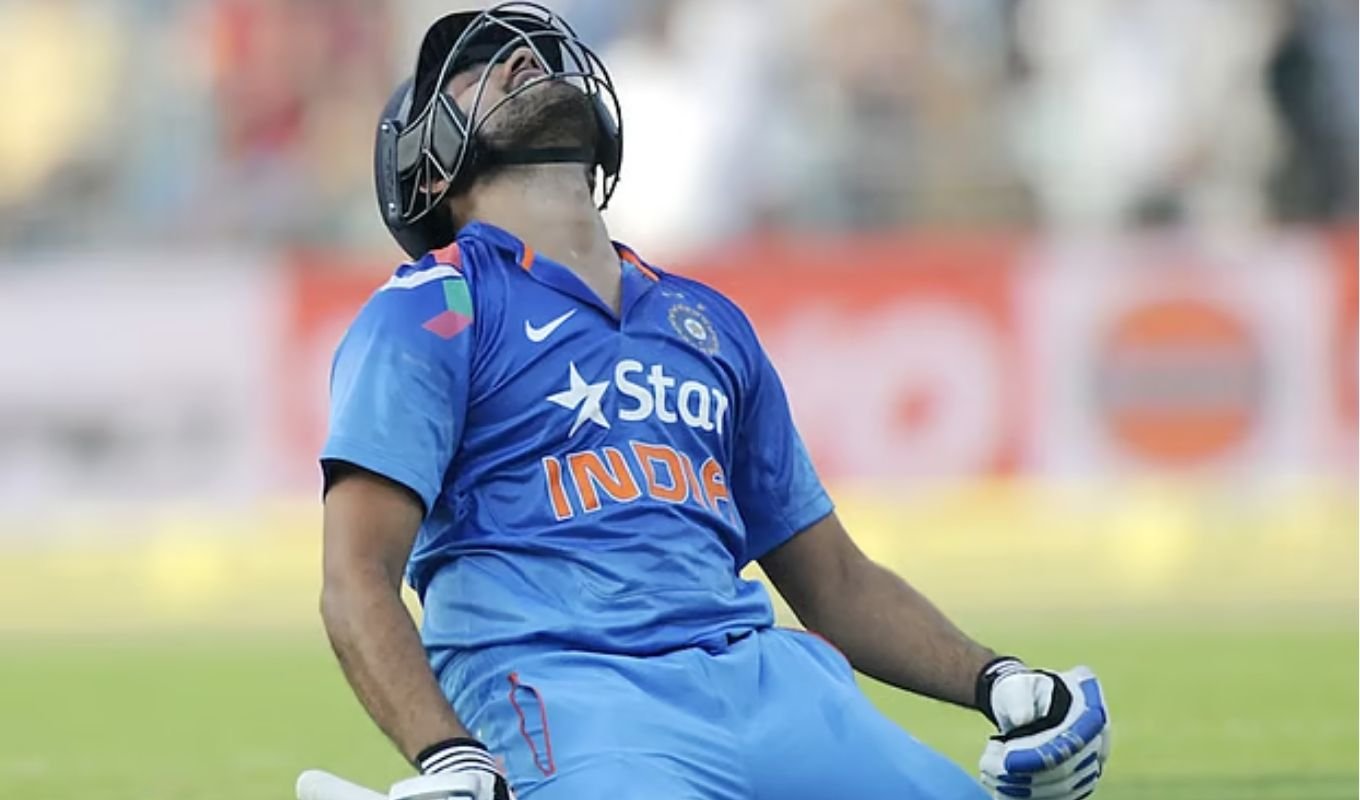
What was meant to be a routine fixture turned into one of the most sensational days in cricketing history. India had already secured the five-match ODI series against Sri Lanka with a 3–0 lead. The fourth encounter at Kolkata’s Eden Gardens on 13 November, theoretically a dead rubber, was expected to be a gentle exhibition. Yet, by the time the sun set over the historic ground, the cricketing world would witness an extraordinary spectacle.
Eden Gardens, celebrating its 150th year, was filled with over 50,000 expectant fans, the air vibrating with chants and cheers. Rohit Sharma, returning from a two-month finger injury, strode to the crease with quiet composure. Early in his innings, disaster nearly struck: Rohit, on just four runs, offered a straightforward catch to Thisara Perera at third man — and Perera dropped it. A moment that would be remembered as one of cricket’s costliest errors.
Rohit’s innings began cautiously. He took 72 balls to reach his first fifty, allowing himself to gauge the pitch and settle his nerves. But once he found his rhythm, the transformation was breathtaking. The Eden Gardens crowd witnessed strokes of sublime elegance, a masterclass in timing and power. From fifty to a century, Rohit accelerated, and then in a blur, moved from 100 to 150 in just 25 balls. Each boundary reverberated through the stadium like a cannon blast.
In the 46th over, a sublime cover drive off Nuwan Kulasekara brought him to a second ODI double century — an unprecedented feat in cricket history. Yet Rohit was far from finished. With a mix of effortless drives, flicks, and towering sixes, he raced to 264 runs from only 173 deliveries, surpassing Virender Sehwag’s record to claim the highest individual ODI score ever.
The innings was a testament to patience, brilliance, and sheer audacity. What began as a missed opportunity for Sri Lanka ended in an immortal performance for India. That day, Rohit Sharma didn’t just conquer Eden Gardens; he etched his name permanently into cricketing folklore.