Kosovo’s national football team stands on the brink of a historic breakthrough as their government has announced a staggering financial reward of €1.5 million if they succeed in qualifying for the 2026 FIFA World Cup. According to Reuters, the country’s leadership confirmed the incentive yesterday, a move designed to boost team morale ahead of the decisive European play-off matches scheduled for March.
The dream of appearing at a World Cup for the first time has never felt more attainable for Kosovo. Competing in Group B of the European qualifiers, Kosovo finished second, securing a place in the March play-offs. Their group campaign produced 11 points from six matches—an achievement that has significantly raised hopes among the country’s supporters. Switzerland topped the group with 14 points, earning an automatic place at the 2026 World Cup.
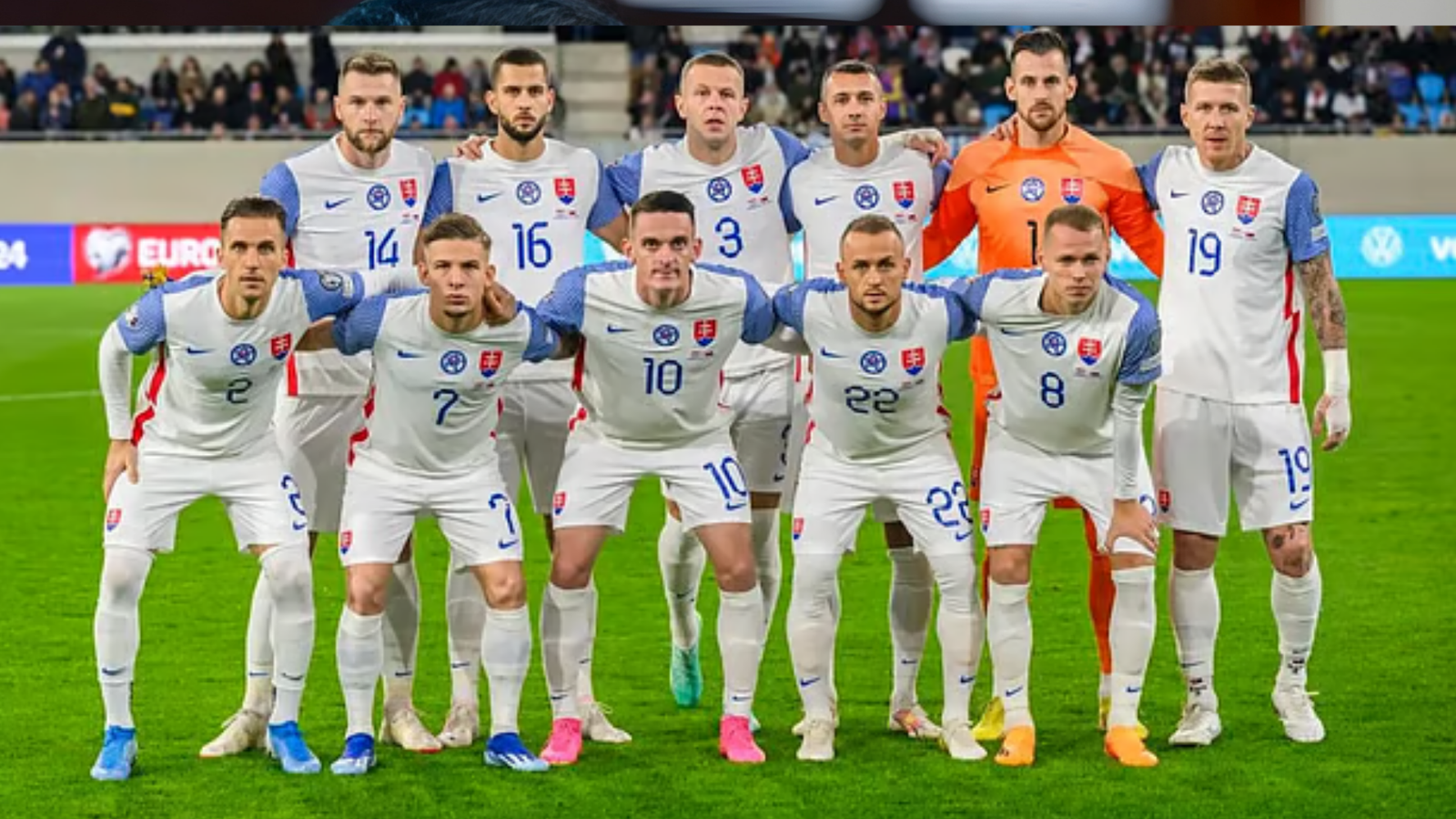
Kosovo will compete in the Path C play-off bracket, where they will face Slovakia in the semi-final on 26 March in Bratislava. Should they win, they will progress to the final on 31 March, which will be played in Pristina. The other semi-final in this path is between Turkey and Romania, and the winners of those two matches will battle for a single World Cup ticket. The entire nation is eagerly watching as Kosovo prepares for what could be the most important matches in its footballing history.
Interim Prime Minister Albin Kurti confirmed an additional incentive scheme for the players. He announced that Kosovo will award a €500,000 bonus if the team defeat Slovakia and reach the play-off final. During a televised cabinet meeting, Kurti added, “We promise an extra €1 million if the team manages to qualify for the World Cup.” This brings the total potential reward to €1.5 million—a figure that highlights the government’s strong support for the national team’s aspirations.
Kosovo declared independence from Serbia in 2008 and has been gradually developing its footballing infrastructure. The country joined UEFA and FIFA in 2016, allowing it to compete officially in international tournaments. Prior to that, Kosovo played its first unofficial friendly match against Albania in February 2010. Despite growing improvements, Kosovo have never qualified for the main stage of the European Championship, making their current World Cup opportunity even more significant.
Football has become one of Kosovo’s greatest tools for national pride and international recognition. Over the years, several Kosovar-origin players have represented other national teams, particularly Switzerland and Germany. But the rise of Kosovo’s own national team structure has started drawing young talents back to represent their homeland.
The upcoming play-off fixtures will determine whether Kosovo can etch their name into footballing history. With financial motivation, national support, and a well-balanced squad, Kosovo now stands two matches away from achieving one of the greatest sporting milestones in its short independent history.