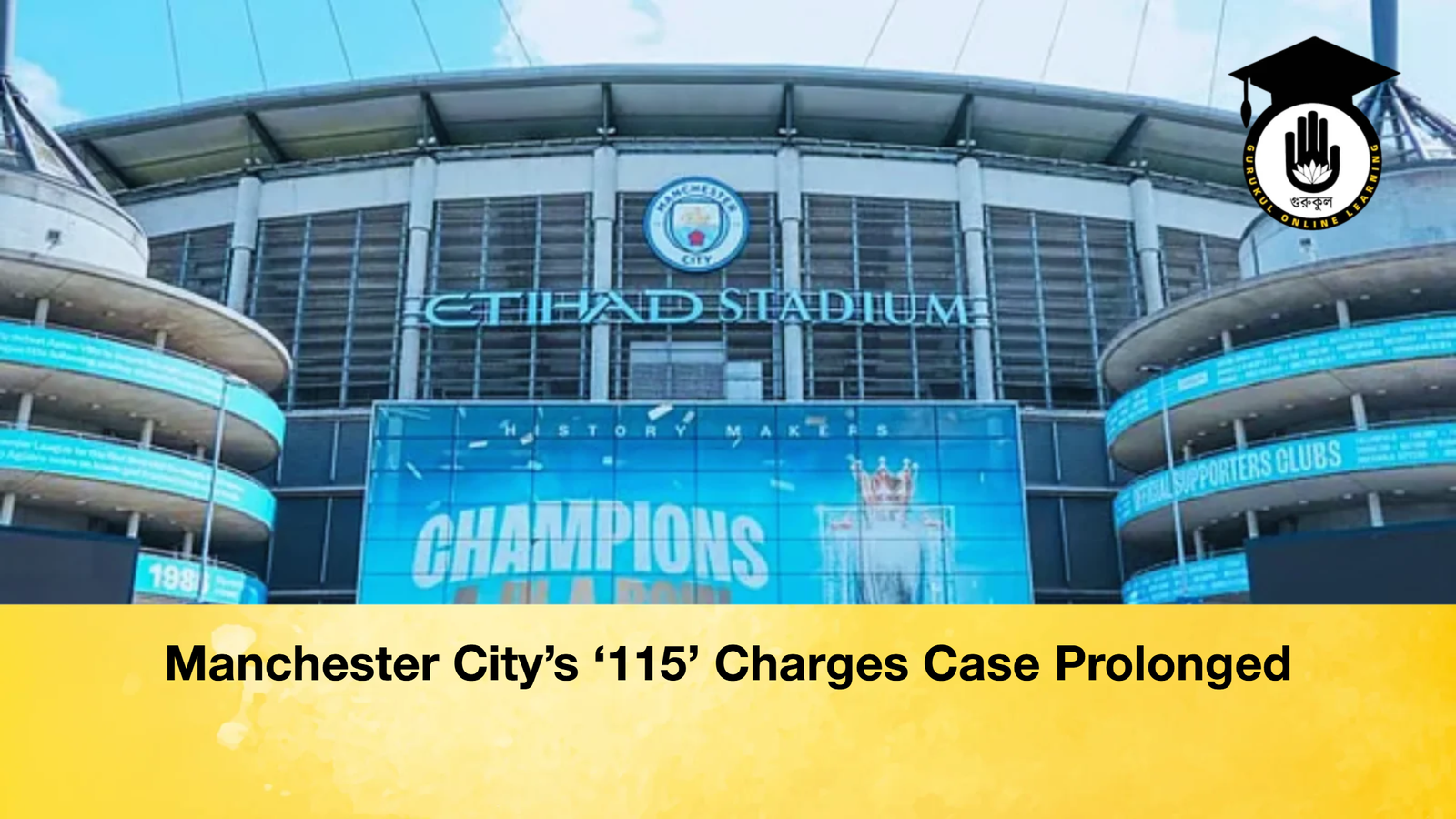
More than three years have elapsed, yet one of English football’s most consequential legal battles remains unresolved. The case brought by the Premier League against Manchester City—widely referred to as the “115 charges” case—continues to drift without a final verdict, fuelling uncertainty across the sport.
Nature of the Allegations
The charges span a wide range of alleged financial breaches. These include accusations of inaccurate financial reporting, failure to provide transparent information regarding sponsorship revenues, and non-cooperation with league investigations. At their core, the allegations suggest systematic attempts to circumvent financial regulations over a prolonged period. Manchester City have consistently and emphatically denied all wrongdoing.
Why “115 Charges”?
The label “115 charges” originates from an early document listing 115 separate bullet points. However, subsequent reporting has suggested that the total number of alleged breaches could exceed 130, as some counts overlap or have been expanded. It also remains unclear whether additional allegations—particularly those concerning non-cooperation—have been appended since formal hearings concluded.
Timeline of the Case
The case has evolved slowly, with several key milestones shaping its trajectory:
| Date | Event |
|---|---|
| December 2018 | Der Spiegel publishes “Football Leaks” revelations |
| March 2021 | Court allows investigators access to key documents |
| September 2024 | Formal hearing begins in London |
| December 2024 | Hearing concludes |
| February 2025 | Pep Guardiola anticipates verdict within a month |
| March 2026 | Verdict still pending |
The investigation traces back to the “Football Leaks” disclosures published by Der Spiegel, which triggered scrutiny of the club’s financial practices. The hearing itself took place at the International Dispute Resolution Centre in London.
Potential Sanctions
Should the charges be proven, the consequences could be severe and far-reaching. Sanctions may include substantial fines, points deductions, stripping of titles, or even expulsion from the Premier League. Additionally, rival clubs could pursue financial compensation for alleged competitive disadvantages.
Why the Delay?
The primary reason cited for the prolonged delay is the extraordinary complexity of the case. Each charge must be independently assessed and proven. Furthermore, the league must demonstrate not only breaches of rules but also intentional misrepresentation and obstruction—claims that demand a high evidentiary threshold.
The verdict will be delivered by an independent three-member panel, whose identities remain confidential. Importantly, these panellists are not working on the case full-time, and they are required to produce a detailed written explanation alongside their decision. This document will be crucial, as it is expected to underpin any subsequent appeals.
Legal experts have questioned the length of the delay. Stephan Borson, a sports law specialist, noted in an interview with ESPN that while the case is undeniably complex, comparable commercial disputes are typically resolved far more swiftly.
Possibility of Settlement
Although unlikely, there remains speculation about a potential negotiated settlement. As the Premier League represents its 20 member clubs collectively, any agreement would require broad consensus. Such a resolution might involve partial admissions, financial penalties, and limited sporting sanctions designed to preserve competitive balance.
What Comes Next?
Whatever the outcome, appeals appear almost inevitable—whether initiated by Manchester City or the Premier League itself. This means the case could extend well beyond the initial verdict, prolonging uncertainty for clubs, fans, and administrators alike.
For now, the central question remains unanswered: is this a legal process nearing its conclusion, or one destined to linger indefinitely?