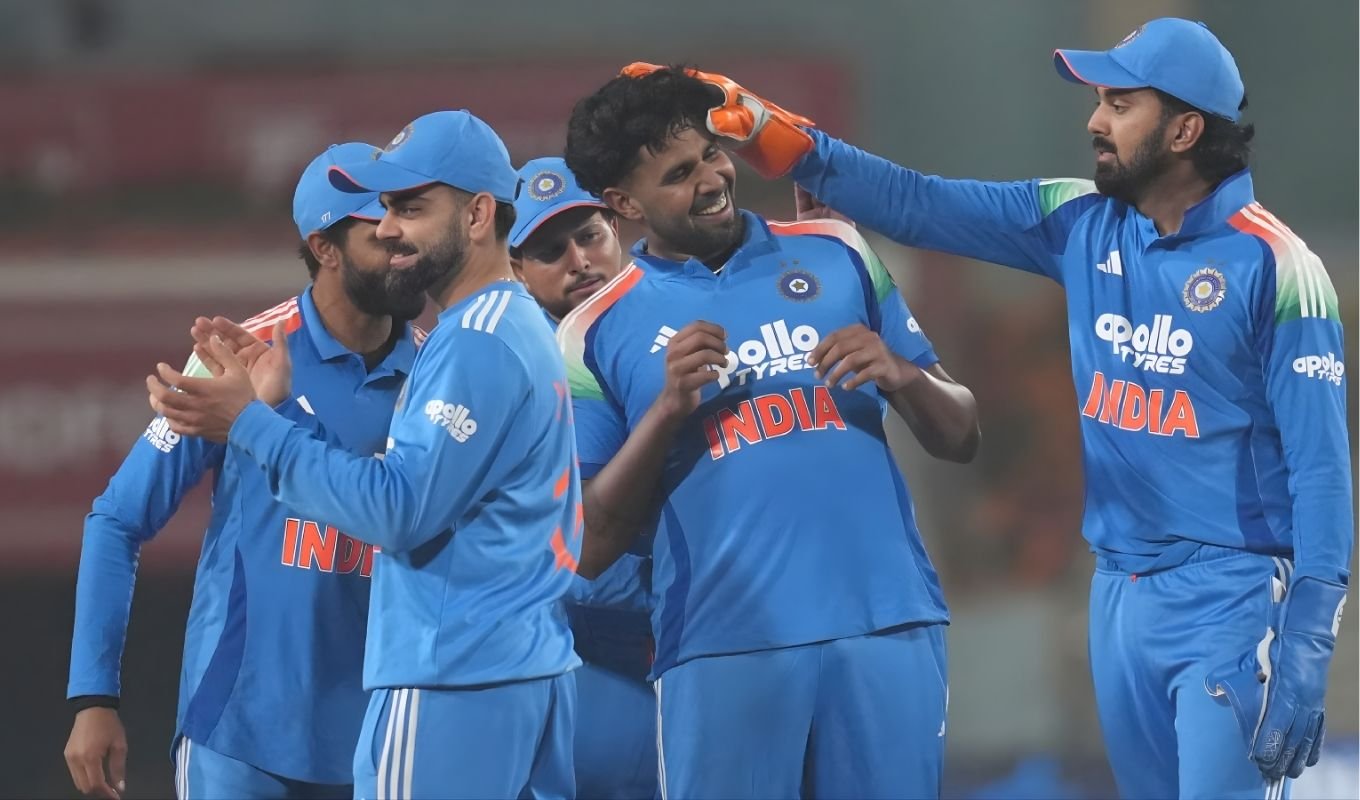
Harshit Rana has been officially reprimanded by the International Cricket Council (ICC) for breaching the Code of Conduct during India’s first One Day International against South Africa in Ranchi on Sunday. The fast bowler’s actions, which took place in the 22nd over of South Africa’s innings, have drawn widespread attention and sparked debates on player conduct and discipline on the international stage.
The ICC confirmed that Rana’s conduct constituted a Level 1 offence under Article 2.5 of the Code of Conduct. This particular article addresses the use of language, actions, or gestures that could demean a dismissed batter or provoke an aggressive response. In Rana’s case, following the dismissal of South African batter Dewald Brevis, he gestured towards the dressing room in a manner deemed inappropriate and potentially provocative.
The on-field umpires, Jayaraman Madanagopal and Sam Nogajski, along with third umpire Rod Tucker and fourth umpire Rohan Pandit, were responsible for reporting the incident. Their report led to a formal charge, which Rana accepted without dispute. The match referee, Richie Richardson, subsequently imposed a sanction that included an official reprimand and one demerit point—the latter being Rana’s first such offence in a 24-month period.
Level 1 breaches of the Code of Conduct can result in a minimum of a formal reprimand. They can also include fines of up to 50% of a player’s match fee, in addition to one or two demerit points. These points carry further implications if accumulated: a player reaching four or more demerit points within 24 months sees them converted into suspension points. Two suspension points can result in a ban from one Test match, two ODIs, or two T20 internationals, depending on what comes first.
Rana’s acceptance of the charge eliminated the need for a formal hearing, demonstrating a willingness to cooperate with the ICC’s disciplinary process. However, the incident has reignited discussions around the boundaries of competitive aggression in cricket, particularly in high-stakes international fixtures. Analysts and former players have weighed in, emphasising the need for professional conduct even in moments of on-field triumph.
While fans and commentators alike debated whether Rana’s gesture was an overstep, the ICC’s swift action underscores the governing body’s commitment to maintaining decorum on the field. The sanction, although relatively minor, serves as a warning to players across formats that gestures or actions that could be seen as provocative are unacceptable.
With India and South Africa locked in a competitive ODI series, attention will now shift to whether Rana can maintain his composure in the remaining matches. The reprimand will remain on his disciplinary record for two years, serving as a reminder that even small lapses in judgment can carry official consequences under the ICC Code of Conduct.