The fourth day of the Perth Test turned into one of the most dramatic passages of play in recent Ashes memory. England’s young wicketkeeper-batter Jamie Smith was fighting to stabilise the innings when Australia’s debutant pacer Brendan Doggett delivered the first ball of the 28th over—a short-of-length delivery drifting down the leg side. Smith attempted a controlled pull, the ball carrying neatly into Alex Carey’s gloves. Carey appealed instantly, convinced there was a faint edge. On-field umpire Nitin Menon, however, remained unmoved. Australia immediately signalled for DRS.
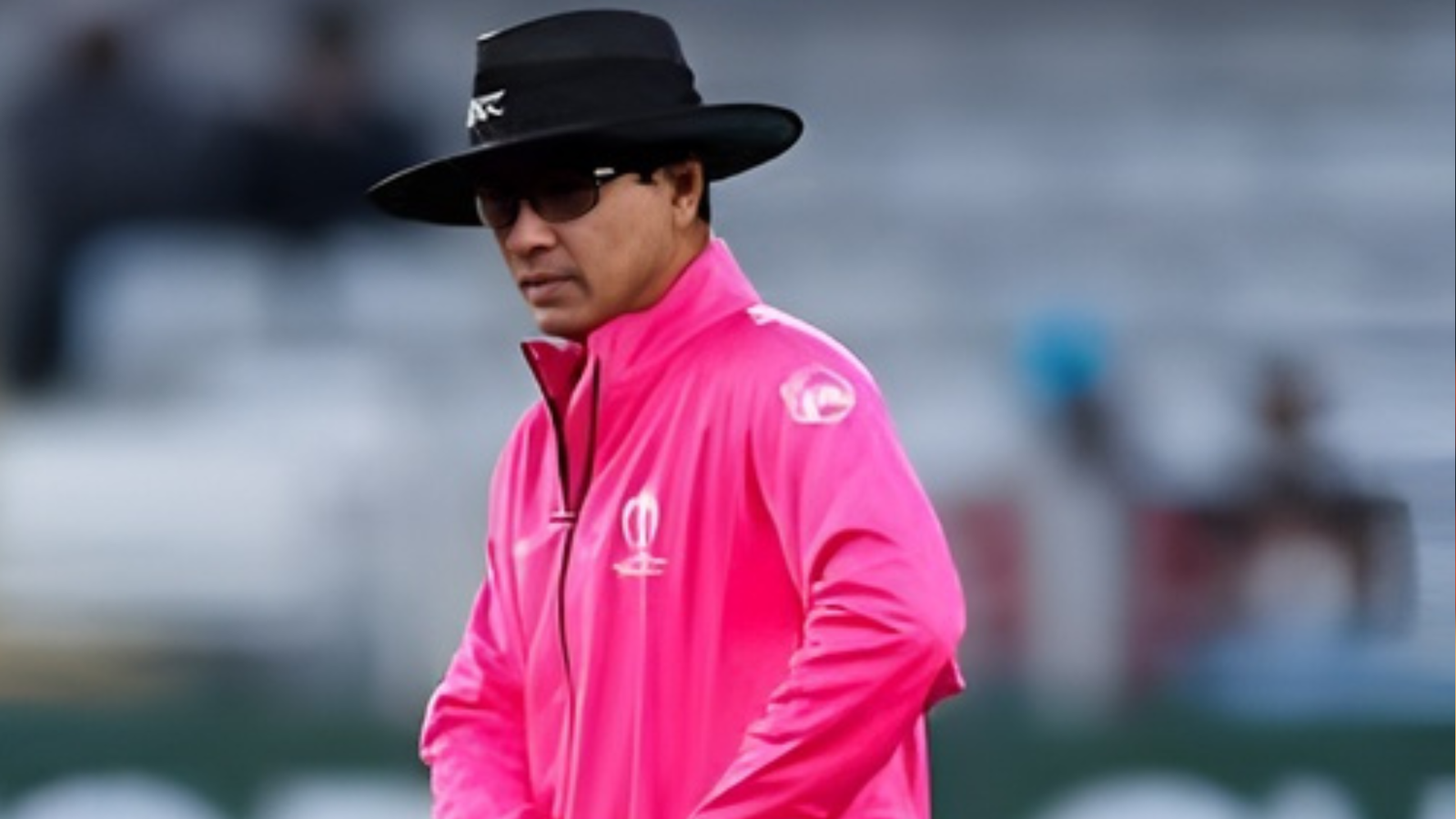
Sitting in the hot seat as TV umpire was Bangladesh’s Sharfuddoula Ibne Shahid, and what followed was a sequence that has become the centre of heated debate. The very first replay shown on the big screen prompted Smith to begin walking towards the dressing room, suggesting he too believed contact had occurred. Yet Sharfuddoula refused to be rushed, carefully analysing the Real-Time Snicko (RTS) footage from multiple angles for nearly five minutes.
The initial RTS showed a small spike as the ball passed under the bat, but moments later the frame alignment appeared inconsistent, raising doubts about the reliability of the evidence. The atmosphere inside Optus Stadium shifted—the English fans sensed the decision might swing their way. But after meticulous review, Sharfuddoula concluded that the spike correlated with the bat, not background noise or external interference. Menon’s original decision was overturned, and Smith was given out for 15.
The reaction was immediate and fierce. England supporters in the stands booed loudly, with many visibly angered by what they felt was a premature and insufficiently supported conclusion. British newspaper The Telegraph, in its live commentary, dismissed the decision as “absurd”, arguing that “there was no conclusive evidence” and that “the technology clearly wasn’t functioning properly”.
BBC Sport commentator Henry Moeran echoed the sentiment on his social media account, noting: “Smith walking doesn’t prove anything. Technology seemed out of sync. If the umpire based his call purely on that glitchy spike, England have every reason to be upset.”
ESPNcricinfo, meanwhile, reported that the side-on angle suggested the ball might not have been close enough to produce a genuine edge, complicating matters further. This forced Sharfuddoula to rely heavily on a magnified rear angle before judging that the spike was indeed bat-generated.
Adding fuel to the controversy, former England spinner Phil Tufnell and ex-Australian coach Darren Lehmann both publicly stated that Smith should have been declared not out. Tufnell quipped: “That wasn’t even a proper spike—Travis Head could have sneezed and made that sound.”
However, one respected voice stood firmly behind the Bangladeshi umpire—Simon Taufel, one of the greatest cricket umpires in history. Speaking to Australian broadcaster Channel Seven, Taufel said: “RTS protocol is clear. If the ball passes the bat and there is a spike within one frame afterwards, it is considered definitive evidence. Sharfuddoula followed the correct process.”
He did concede, however, that the decision took longer than ideal.
England were bowled out for 164, leaving Australia 205 to win. But the biggest talking point of the day was not the runs, nor the wicket—it was Sharfuddoula’s decision, which is certain to dominate cricket discussions for days to come.