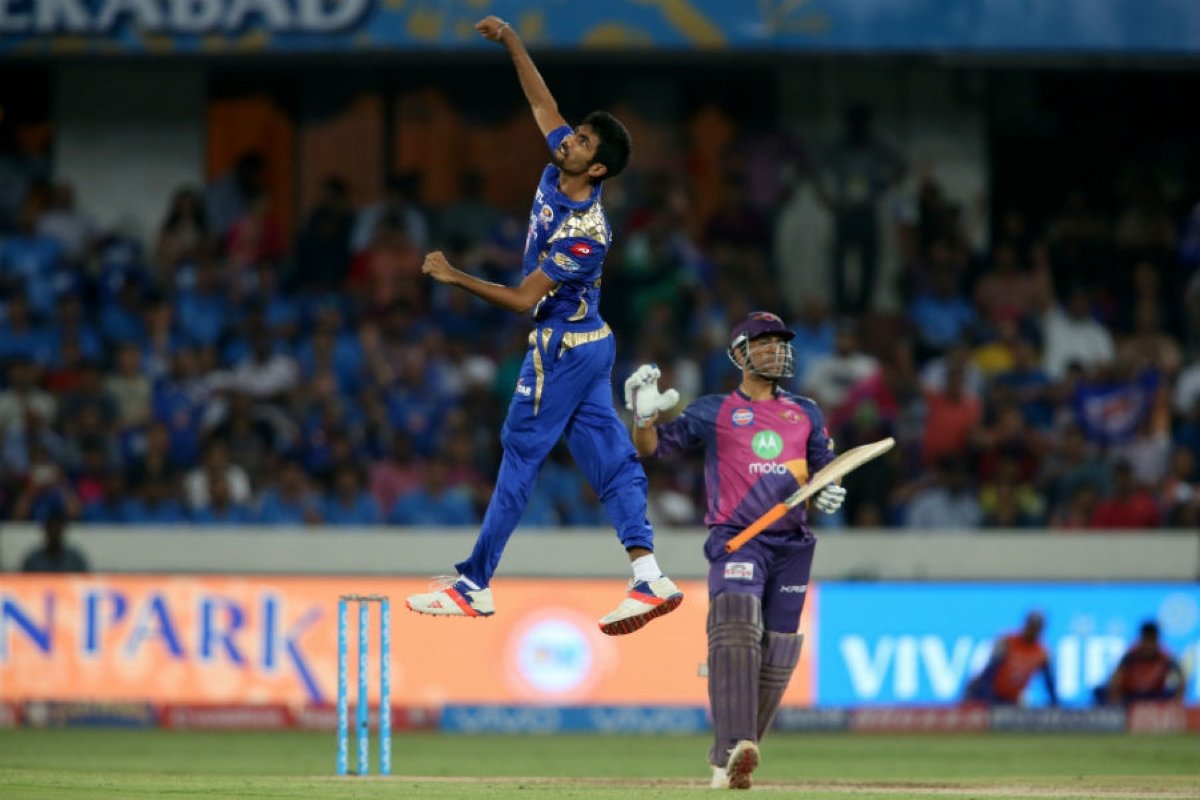
Mahendra Singh Dhoni has been a part of 11 IPL finals, captaining in ten of them. However, the 2017 final was an exception—this time, he was not leading Chennai Super Kings but playing for Rising Pune Supergiant, a team that had undergone a rebranding after finishing second from bottom in the previous season.
Despite Dhoni being replaced as captain, the team played in a manner reminiscent of his leadership throughout the 2017 campaign. Their bowlers executed a disciplined strategy in the final against Mumbai Indians on a slow and gripping Hyderabad pitch, akin to Chennai’s home ground, Chepauk. The tactics were familiar—off-spinner Washington Sundar opened the bowling, mirroring R Ashwin’s role from CSK’s earlier years, while Jaydev Unadkat and Dan Christian delivered at the death, much like Dwayne Bravo. In a déjà vu moment from the 2010 IPL final between CSK and Mumbai, Kieron Pollard was dismissed by a fielder stationed almost directly behind the bowler.
Pune entered the final with a flawless 3-0 record against Mumbai that season, and a fourth victory seemed within reach as they set out to chase a modest target of 130.
Mumbai’s Strength in Key Areas
Although Mumbai had not yet attained the dominance they would later display in 2019 and 2020, their strength lay in two key aspects: the explosive all-round abilities of Pollard and the Pandya brothers, with Krunal Pandya’s 47 off 38 ensuring a competitive total, and the masterful death bowling of Jasprit Bumrah and Lasith Malinga.
As Pune adopted a conservative approach—Ajinkya Rahane and Steven Smith constructing a 54-run partnership at less than a run per ball—the match transformed into a tense, final-over showdown. With 33 required off the last 24 deliveries and eight wickets in hand, the stage was set for a dramatic conclusion.
The Defining Moments
Bumrah dismissed Dhoni in the 17th over, but Smith took charge in his captain’s absence. Initially restrained, with only two boundaries in his first 43 balls, he suddenly shifted gears, manufacturing crucial runs—whipping a Malinga near-yorker for four and then launching a Bumrah near-yorker for six. However, the required rate remained high, with only 22 runs scored between overs 17 and 19.
When Smith took strike in the final over, Pune needed seven off four balls. Mitchell Johnson, steaming in from around the wicket, bowled with precision. With just two fielders stationed on the off-side boundary, Smith stepped away to create room and executed a beautifully timed inside-out loft—only to find Ambati Rayudu at sweeper cover.
Smith departed for 51 off 50 balls, leaving the match in the balance. With four required off the last delivery, Christian whipped the ball along the ground towards deep square leg. A fumble from substitute fielder J Suchith added to the tension, but Pune’s desperate attempt for a third run to tie the game was in vain. Suchith’s throw found Parthiv Patel cleanly, and Mumbai Indians clinched their third IPL title in dramatic fashion.
Dhoni’s Struggles Against Mumbai in Finals
This defeat marked Dhoni’s third loss in an IPL final against Mumbai Indians. Two years later, he would once again face them in a title clash—this time back in CSK colours, at the very same venue, only to suffer an identical heartbreak, losing by the same margin.
Additional Context:
The 2017 IPL final was a turning point for Mumbai Indians, solidifying their reputation as a formidable team in clutch moments. It also highlighted the depth of their bowling attack, a hallmark of their future successes. For Dhoni, it was another chapter in his storied rivalry with Mumbai, a team that has consistently been his toughest adversary in the IPL’s grandest moments.