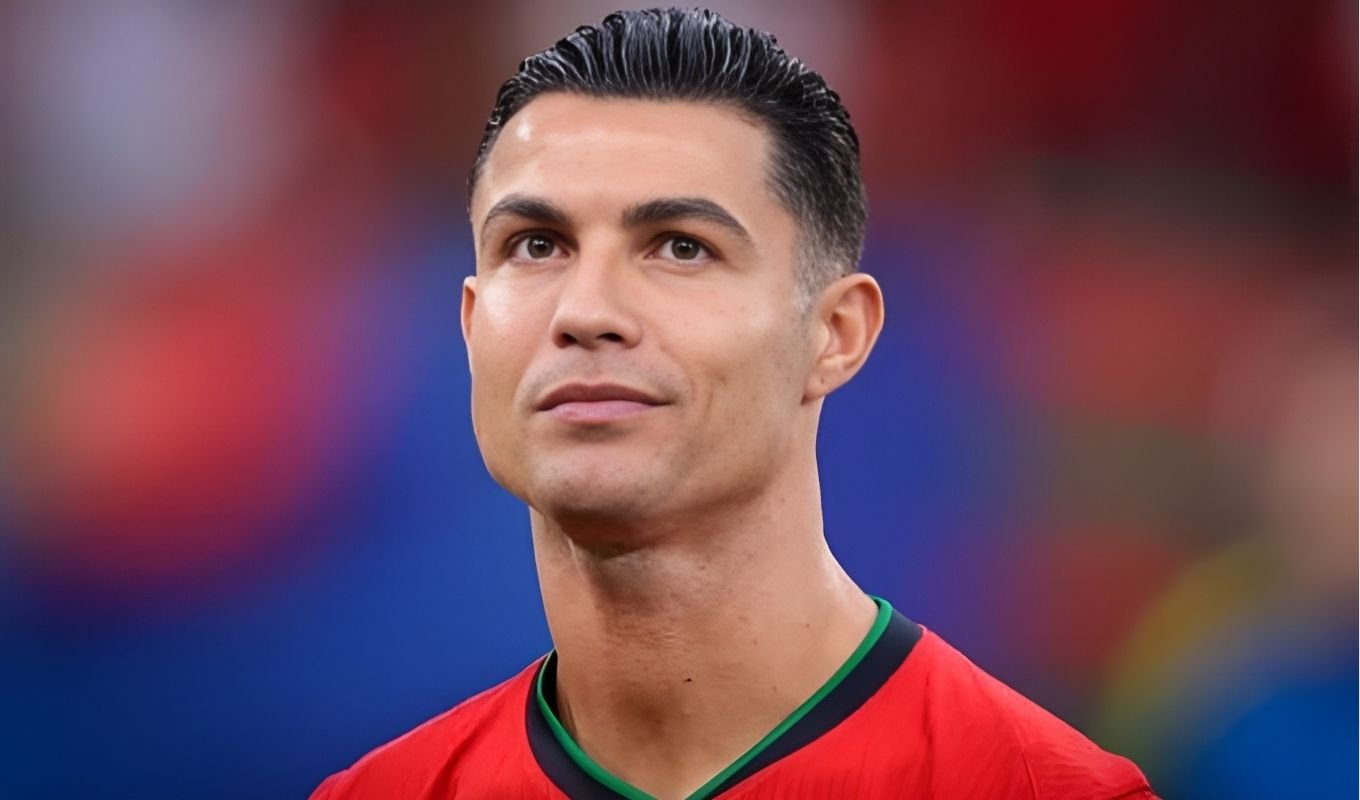
Cristiano Ronaldo’s red card and the subsequent suspension decision by FIFA have sparked a storm of debate in the football world. On 14 November, Ronaldo received a red card for elbowing Dara O’Shea of Ireland during a World Cup qualifying match. This was Ronaldo’s first red card in his 226th appearance for Portugal. Normally, a red card automatically results in a one-match suspension. However, according to FIFA’s disciplinary code, offences classified as “violent conduct” can carry a three-match ban.
FIFA recently announced that Ronaldo’s three-match suspension would be partially deferred. While he missed Portugal’s next match against Armenia, the remaining two matches are suspended for one year. The reasoning? Ronaldo had never received a red card in his previous 225 international matches. However, FIFA has warned that if he commits a similar offence during the next year, the suspended matches will become active.
| Event | Date | Punishment | Status |
|---|---|---|---|
| Ireland Match | 14 November | Red card, 1 match active, 2 matches suspended | Active/Deferred |
Some critics have questioned whether this constitutes “special treatment.” Technically, FIFA reduced his suspension within the rules. According to Articles 25 and 27 of the FIFA Disciplinary Code, the governing body can reduce or suspend sanctions, even for one to four years.
Historical precedents exist: Laurent Koscielny (France, 2014) and Mario Mandzukic (Croatia, 2024) had suspensions reduced or deferred, though none specifically for World Cup qualification in the manner of Ronaldo. The difference? Ronaldo is set to participate in the World Cup—the pinnacle of any footballer’s career.
Beyond regulations, commercial and strategic considerations influenced FIFA’s decision. In the United States, football has yet to achieve mass popularity. The presence of star players like Ronaldo and Messi significantly boosts the tournament’s appeal and revenue. By allowing Ronaldo to play from the start, FIFA safeguards both audience interest and financial success.
Yet, questions about “fair play” persist. From a strict moral standpoint, the decision is debatable. From a strategic standpoint, FIFA acted within its authority, balancing commercial interests and rules enforcement.
Some countries might challenge FIFA’s decision at the Court of Arbitration for Sport (CAS), creating pre-World Cup controversy. Many players may feel like “second-class citizens” in football, while Ronaldo remains a near-mythical figure benefiting from FIFA’s discretion.