Alpine Exit Sparks Endurance Debate

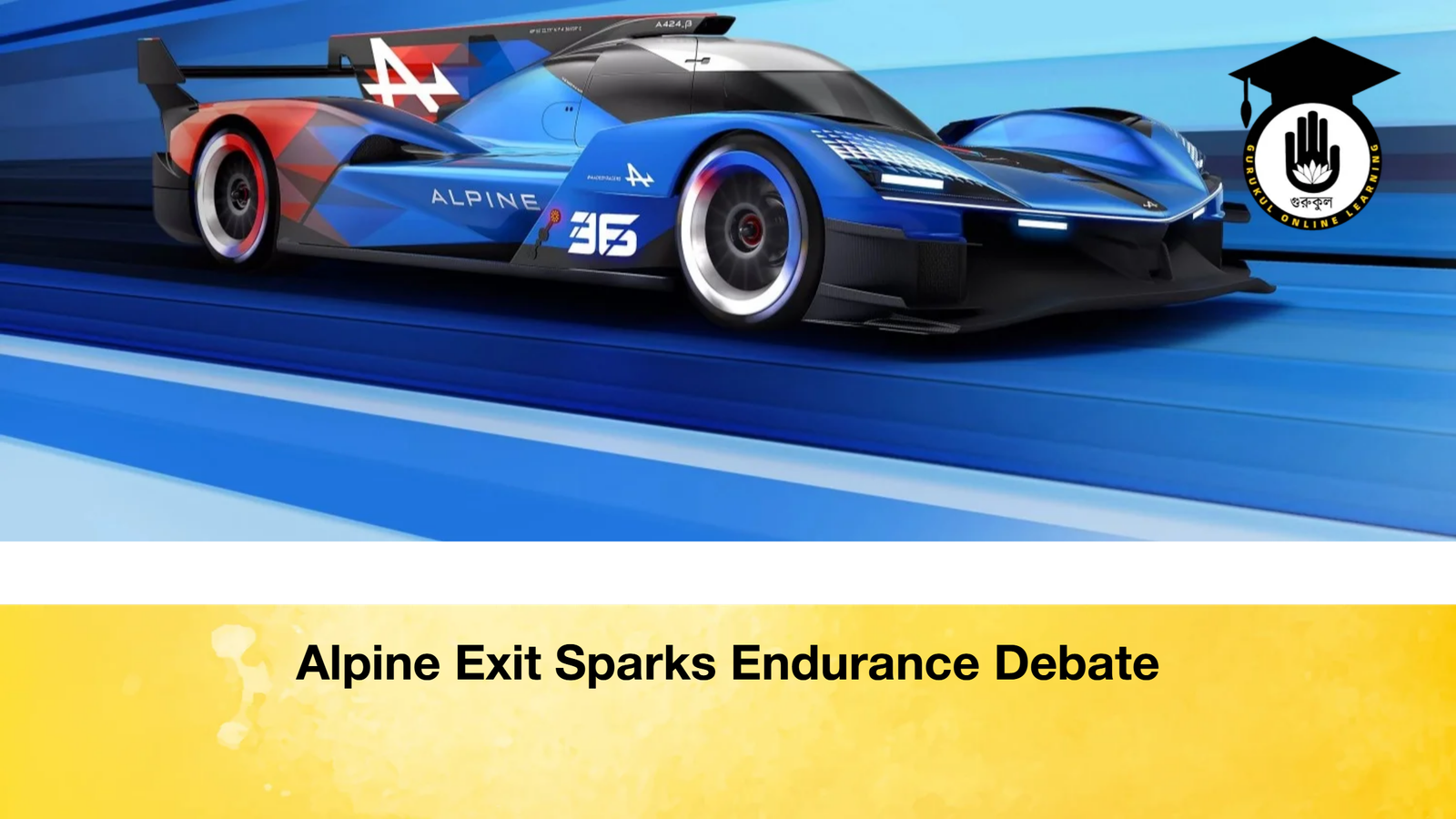
The decision by Alpine to withdraw its factory Hypercar programme from the FIA World Endurance Championship after the 2026 season has sent ripples through the paddock, raising questions about the long-term trajectory of the category—while also galvanising the team for one final push.
At the centre of the project stands Philippe Sinault, a pivotal figure in shaping Alpine’s modern endurance efforts through the Signatech structure. Although the announcement had been anticipated following signals from within the wider Renault Group, its confirmation still marks a significant moment for both the team and the championship.
Table of Contents
ToggleA Unified Response to Difficult News
Sinault revealed that the news, while difficult, prompted an immediate and striking reaction within the team. Rather than dwelling on the reasons behind the decision, Alpine’s personnel rallied together, focusing entirely on maximising performance in their remaining season.
“We gathered as a team, shared the moment, and the response was extraordinary,” Sinault explained. “There was applause—not for the decision, but for our collective determination to fight until the end.”
This unity, he suggested, may ultimately strengthen the group’s resolve. While the programme’s conclusion is undeniably disappointing, it has fostered a renewed sense of purpose and cohesion.
Key Facts: Alpine Hypercar Programme
| Category | Detail |
|---|---|
| Programme Duration | 2024–2026 (Hypercar era) |
| Car | Alpine A424 |
| Team Structure | Signatech-run factory effort |
| Homologation Validity | Until at least 2029 |
| Final Season | 2026 |
| Potential Future | Eligible for privateer/customer use |
Despite the factory withdrawal, the A424 remains homologated until 2029, leaving open the possibility of continued competition under a customer or privateer banner—though Sinault stressed such decisions lie beyond his remit.
Focus on Performance, Not Regret
With the 2026 season looming, Alpine’s attention is firmly fixed on delivering results, particularly at the 24 Hours of Le Mans—the spiritual heart of endurance racing.
Sinault cautioned against overreaction, urging his team to remain disciplined and trust the foundations already established. “We must not overplay the situation,” he said. “We have the tools, the talent, and the trajectory. Now we must simply execute.”
That said, he acknowledged an underlying emotional drive to prove Alpine’s capabilities before its departure. Balancing that motivation without tipping into excess will be key to maintaining competitiveness.
Wider Implications for the Championship
Alpine’s exit, coupled with previous withdrawals such as that of Porsche from certain factory commitments, inevitably raises concerns about the stability of the Hypercar class. Yet Sinault remains optimistic about the championship’s structural strength.
“The fundamentals are solid,” he insisted. “The regulations are well designed, the platform is attractive, and there is strong interest from manufacturers. These decisions are more reflective of broader economic and global pressures than any weakness in the championship itself.”
Indeed, the Hypercar category continues to attract major marques, underlining its status as a premier arena for technological and sporting excellence.
Looking Beyond 2026
As for his own future, Sinault was characteristically candid. “I don’t intend to go fishing,” he joked, signalling his desire to remain active in motorsport. With a talented team around him, he hinted that new opportunities may yet emerge beyond Alpine’s current programme.
For now, however, the objective is clear: to ensure Alpine’s Hypercar chapter concludes not with resignation, but with a statement of intent—on the track where it matters most.

Sufi Arshan Aziz Faruq | Contributor | sportsgoln.com
Sufi Aarshan Aziz Faruq is a car enthusiast
Follow Me