
At Last, the NSC Takes Action! Mandatory Sexual Harassment Prevention Committees for All Sports Federations

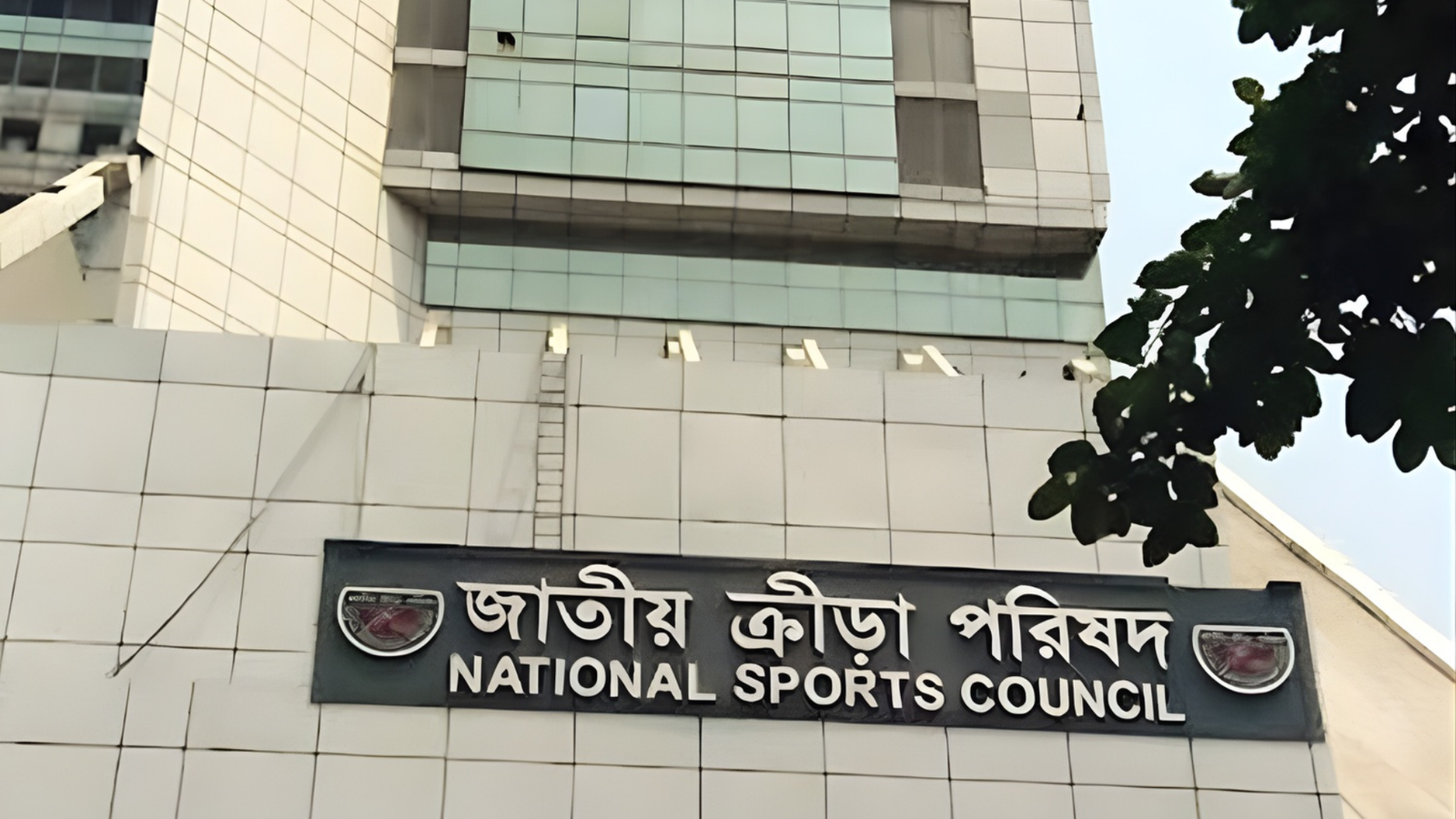
In a major step towards ensuring the safety and dignity of women in sport, the National Sports Council (NSC) of Bangladesh has issued a directive requiring all national sports federations and associations to form Internal Committees for the Prevention of Sexual Harassment.
According to the circular, signed by Ruhul Amin, the NSC’s Assistant Director (Sports), each federation must establish a five-member committee, with at least three women among its members. These committees must be formed in accordance with the High Court guidelines issued on 14 May 2009, and a report confirming their formation must be submitted to the NSC by 19 November.
The NSC further clarified that if any complainant is dissatisfied with the decision of a federation’s internal committee, they will have the right to file a direct appeal to the National Sports Council.
Commenting on the move, Aminul Ehsan, Director (Sports) of the NSC, said:
“This initiative will empower female athletes, boost their confidence, and encourage them to perform at their best. A safe sporting environment is essential for true progress in our national sports.”
In 2009, the High Court of Bangladesh issued a landmark directive requiring all educational institutions and workplaces to establish mechanisms to prevent sexual harassment. Despite this, most sports organisations failed to implement such measures for over a decade.
A recent investigation published by Prothom Alo on 10 November revealed that none of the 53 sports federations and associations in the country had formed the required internal committees to address sexual harassment complaints.
The issue gained renewed attention after former national women’s cricket team captain Jahanara Alam lodged a formal complaint against former selector and manager Manjurul Islam, accusing him of sexual harassment. In response, the Bangladesh Cricket Board (BCB) quickly established a five-member investigation committee to look into the allegations.
This incident has sparked intense discussion in the sporting community about the long-neglected issue of safeguarding women in sport. Observers have noted that the NSC’s recent directive is a long-overdue but vital measure that could finally bring accountability and create a safer environment for female athletes across Bangladesh.
Experts believe that proper implementation of these committees will mark a turning point for women’s participation in national sport, setting a precedent for transparency and justice in the country’s athletic institutions.