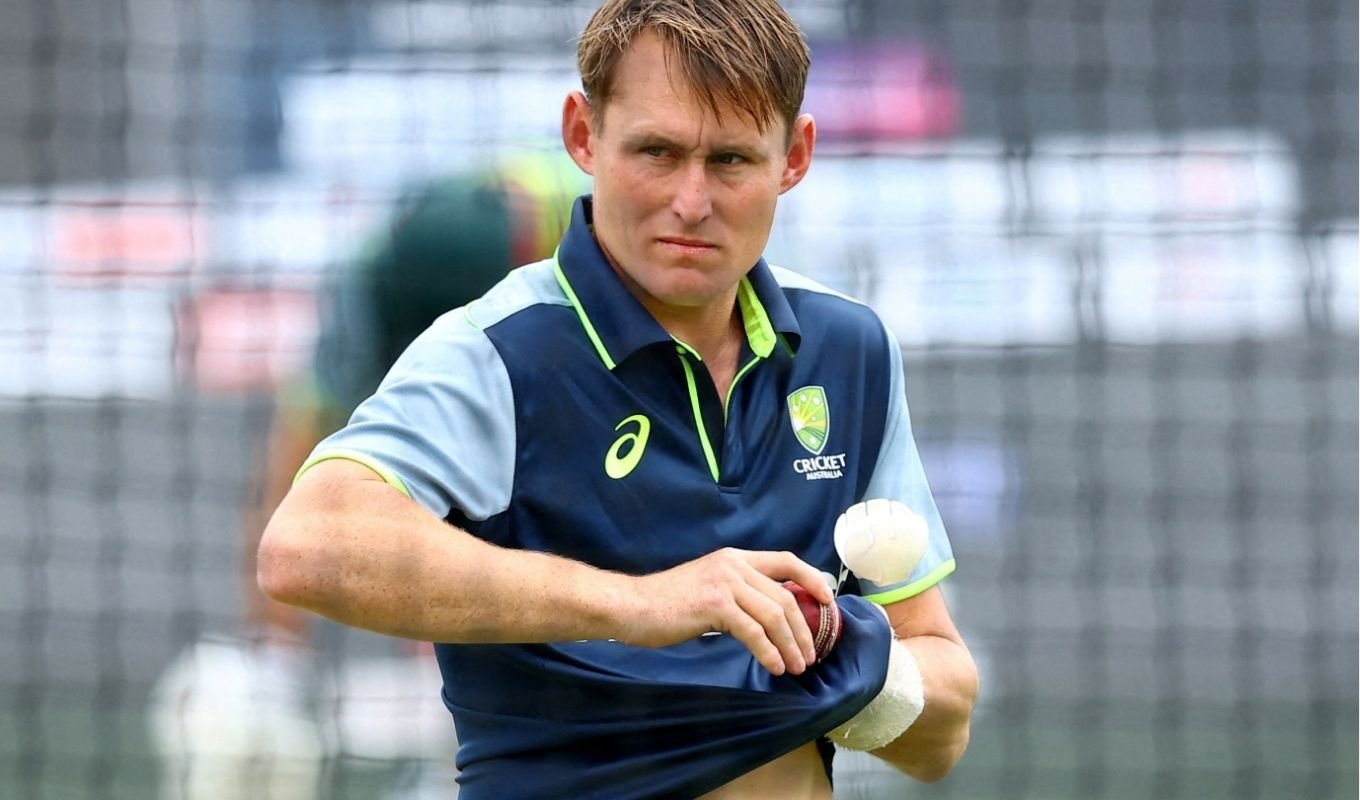
Marnus Labuschagne has acknowledged that Australia’s extensive experience in day-night Test cricket gives them a built-in advantage heading into the second Ashes Test, set to begin on Thursday. England, by contrast, are using a pink ball for the first time in nearly three years.
Australia has hosted more day-night Tests than the rest of the world combined, and has also staged numerous Sheffield Shield matches under lights with a pink ball, first between 2013 and 2018 and again over the last two seasons. Cricket Australia’s head of national teams, Ben Oliver, explained that the initiative was designed to “enhance the experience for domestic players and best prepare them for the challenges of international cricket.”
Labuschagne admitted that, while he would traditionally prefer a red ball because of familiarity, the Australian team has grown adept at adapting to the pink ball. “When it first came along, everyone wanted a red ball,” he said. “Over time, we’ve learned how to approach different phases of the game with it, and that experience could prove advantageous for us in this Test.”
Australia also boast Mitchell Starc, widely regarded as the world’s most effective pink-ball swing bowler. “Is he the best in the world? The statistics suggest so,” Labuschagne commented. “It’s his combination of high pace, late swing, and left-handed angles that makes him particularly dangerous under the lights.”
Labuschagne, whose day-night Test batting average stands at 63.86—38% higher than his career average of 46.34—stressed that adapting to changing conditions is key. “The pink ball reacts differently at different times of day, and you have to adjust your game accordingly. There are moments when play slows down and moments when it accelerates, and navigating those swings effectively can define a match.”
Recalling his partnership with Nathan McSweeney against India in Adelaide, he highlighted the importance of capitalising on night sessions to gain momentum. He also defended traditional batting orders, noting they still dictate when players come to the crease but ultimately it is runs on the board that matter.