
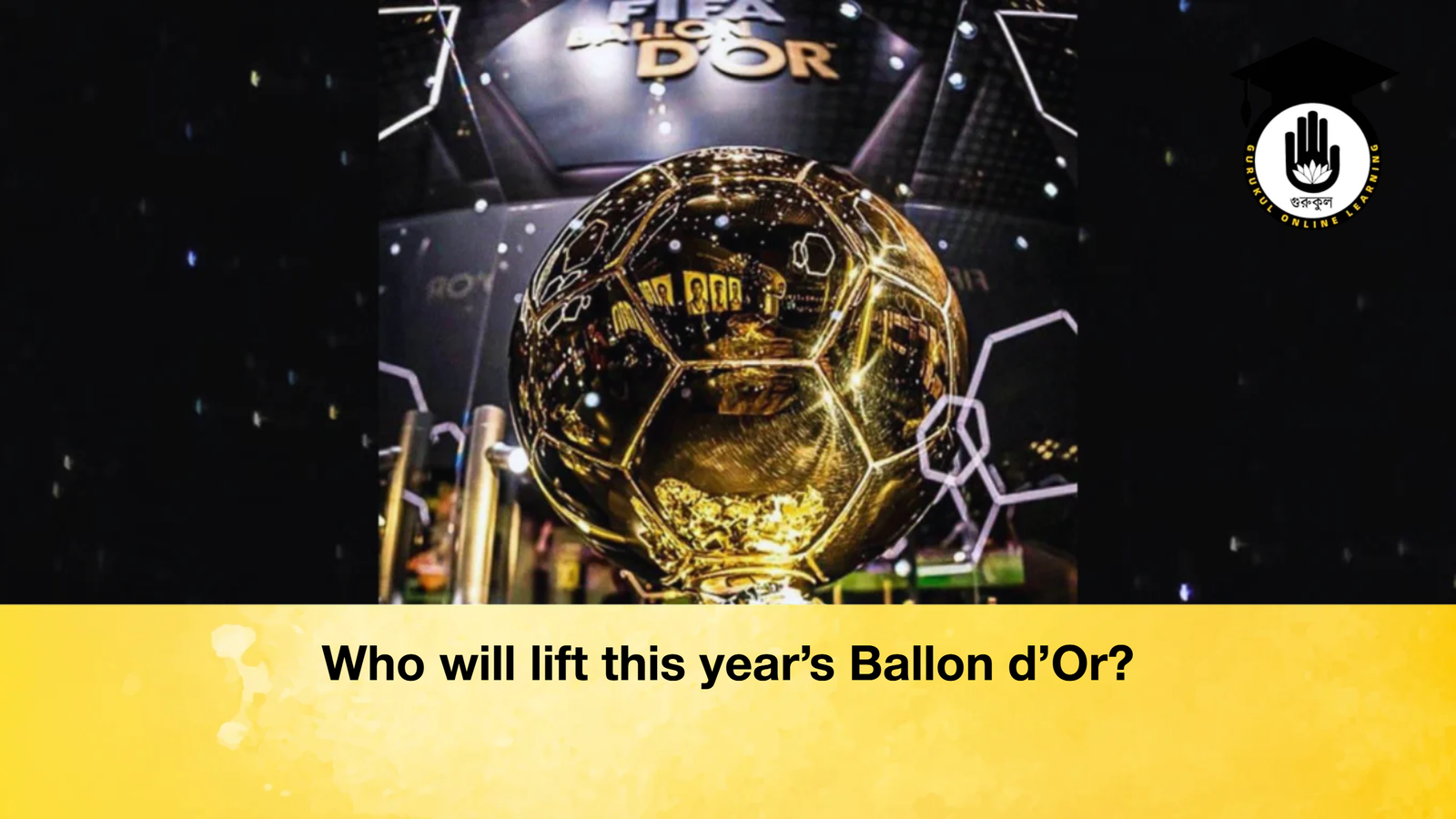

As the European football season edges towards its climax, the race for the Ballon d’Or—the most prestigious individual accolade in world football—has gathered remarkable momentum. Debate is intensifying among analysts, supporters, and former players alike over who will ultimately claim the crown as the finest footballer of the year.
Based on current form, several standout performers have emerged as leading contenders. Among them is Kylian Mbappé, whose electrifying pace, clinical finishing, and decisive influence in high-stakes fixtures continue to set him apart. Week after week, the French forward has demonstrated consistency at the highest level, reinforcing his credentials as a prime candidate.
Similarly, Erling Haaland has maintained a staggering goal-scoring record. The Norwegian striker has turned scoring into a routine, often dominating opposition defences with his physicality and positioning. However, his case may be slightly weakened by his club’s early exit from the UEFA Champions League—a factor that historically carries significant weight in Ballon d’Or voting.
In midfield, Jude Bellingham has enjoyed a sensational campaign. The young Englishman has combined goals, creativity, and leadership with remarkable maturity, elevating his influence far beyond his years. Many pundits now consider him the most complete performer this season, capable of shaping matches in multiple dimensions.
Not to be overlooked is Vinícius Júnior, whose flair and effectiveness in decisive fixtures have kept him firmly in contention. His ability to deliver in crucial moments—often under immense pressure—adds significant weight to his candidacy.
Beyond these established names, a new generation of talents is also making waves. Lamine Yamal has captured widespread attention with his composure and creativity at a remarkably young age. Meanwhile, Declan Rice continues to anchor his side’s midfield with authority, contributing both defensively and offensively.
Elsewhere, Ousmane Dembélé has rediscovered consistency, re-establishing himself among Europe’s elite wingers. Vitinha has impressed with his technical control and vision in midfield, while Harry Kane remains a formidable presence in front of goal, sustaining his reputation as one of the game’s most reliable scorers.
To provide a clearer comparison, the following table outlines the key attributes and potential drawbacks of the leading contenders:
| Player | Position | Key Strengths | Potential Limitation |
|---|---|---|---|
| Kylian Mbappé | Forward | Pace, finishing, big-game impact | Dependent on team silverware |
| Erling Haaland | Striker | Exceptional goal-scoring consistency | Limited European success this season |
| Jude Bellingham | Midfielder | All-round influence, leadership | Relative lack of long-term experience |
| Vinícius Júnior | Winger | Dribbling, decisive match contributions | Occasional inconsistency |
| Harry Kane | Striker | Finishing, positioning, experience | Fewer major team trophies historically |
| Lamine Yamal | Winger | Creativity, youthful dynamism | Limited experience at elite level |
Ultimately, the Ballon d’Or is rarely decided on individual brilliance alone. Team achievements—particularly in major domestic leagues and European competitions—often prove. As the season approaches its weeks, performances in crucial fixtures will likely tip the balance.
In what promises to be one of the most fiercely contested races in recent memory, the final outcome remains finely poised. Whether it is a proven superstar or an emerging talent, only sustained excellence at the highest level will determine who lifts football’s most coveted individual honour.