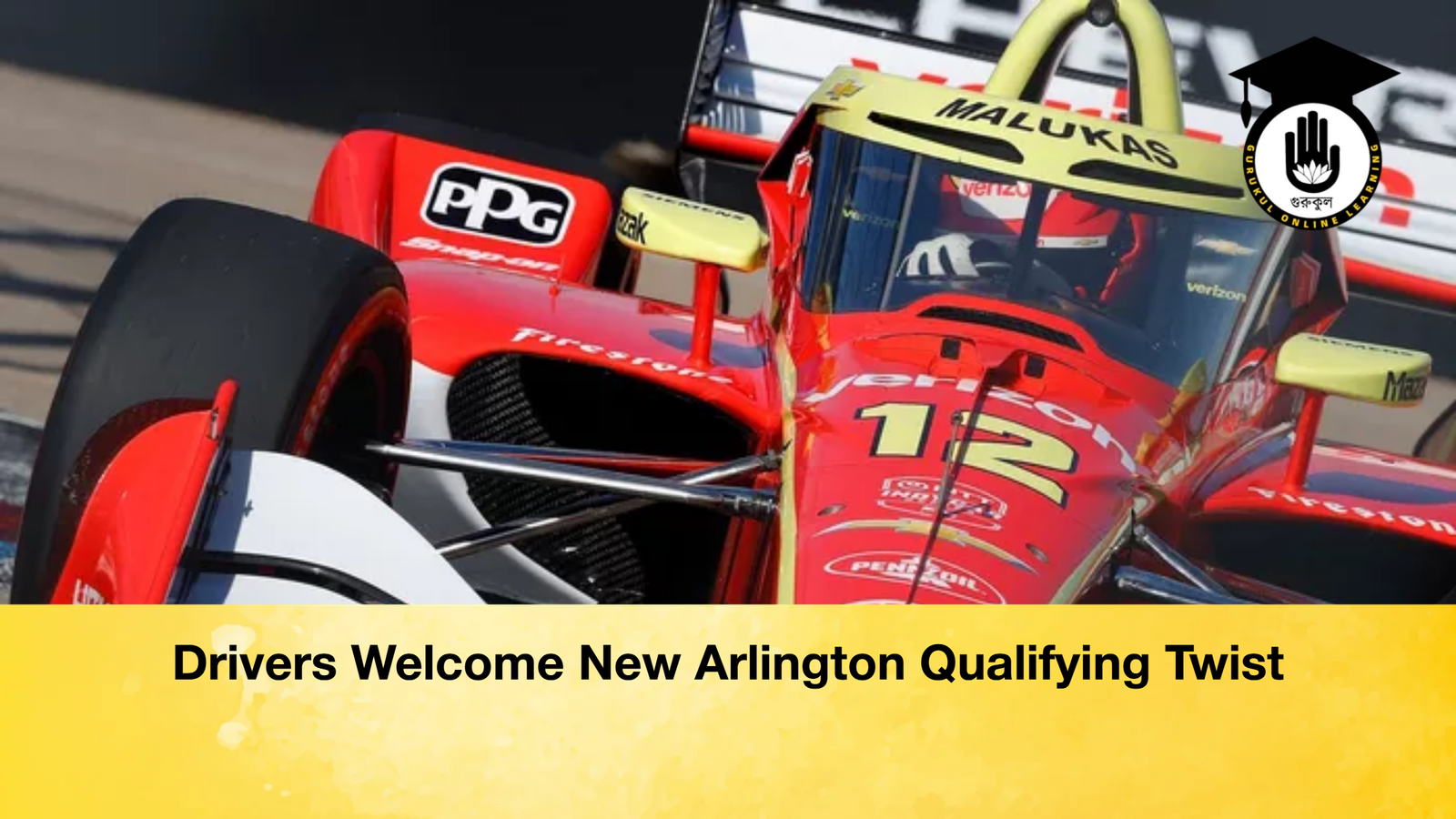
Drivers in the IndyCar Series have broadly welcomed an experimental change to the Fast Six qualifying format introduced for the inaugural Grand Prix of Arlington. The revised system aims to heighten drama and create a more spectator-friendly finale to qualifying on the new street circuit in Arlington, Texas.
Under the traditional IndyCar qualifying structure, drivers progress through two knockout sessions before the fastest six compete together on track for pole position. However, this weekend’s event introduces a single-car, single-lap shootout for the decisive Fast Six segment.
The six drivers who progress from the second qualifying round will now run individually, with the sixth-fastest driver from Segment Two heading out first, followed by the remaining competitors in reverse order until the fastest driver from that round completes the final attempt at pole position.
The format change has been implemented specifically for the 14-turn, 2.73-mile temporary street circuit in Arlington but could potentially appear at other road and street courses if the trial proves successful.
Table of Contents
ToggleEntertainment and Strategy
Kyle Kirkwood of Andretti Global was among the drivers to endorse the concept, highlighting its entertainment value.
“I think it’s a great idea,” Kirkwood said. “We’re in the entertainment business and we need to put on a show for the fans. This format definitely adds more excitement.”
Nevertheless, the American driver acknowledged that the new system may introduce certain technical variables. Cars running earlier in the order could have an advantage because their brakes and tyres are already warmer, while those running later may begin their lap with cooler components.
“The only possible downside is that the drivers going first will have more heat in the brakes and tyres,” Kirkwood explained. “The final car might be the fastest overall but could start its lap with everything colder. That’s something we’ll have to see play out.”
Despite that concern, Kirkwood believes the idea could work well at many venues.
Intensity Similar to Oval Qualifying
David Malukas, who recently joined Team Penske, also praised the revised format, noting the additional tension created by a single-lap attempt.
“It’s such a cool idea,” Malukas said. “It reminds me of oval qualifying, where you go out one by one and feel that pressure. Having that same intensity in the Fast Six is awesome.”
Malukas added that tyre warm-up procedures will likely become an important strategic factor if the system is adopted elsewhere.
“If they take this format to other tracks, it will be interesting to see how drivers manage tyre temperature before the lap,” he said.
A Familiar Concept for Veterans
For six-time series champion Scott Dixon of Chip Ganassi Racing, however, the concept is not entirely new. Dixon recalled that IndyCar used a similar approach in the mid-2000s.
“I’ve seen that movie before,” Dixon remarked. “We used something like it back in the 2005–2007 era, so it’s not completely new to me.”
While acknowledging that most of the current grid may be experiencing the system for the first time, Dixon believes occasional rule changes can refresh the sport.
“It’s fun to change things up,” he said. “Once you’re in the Fast Six, there’s still plenty to play for, and it adds a bit of extra excitement.”
Fast Six Format Overview
| Stage | Format | Key Detail |
|---|---|---|
| Segment 1 | Knockout session | Field reduced to fastest 12 |
| Segment 2 | Knockout session | Fastest six advance |
| Fast Six | Single-car, single-lap runs | Drivers run in reverse order of Segment 2 results |
If the Arlington experiment proves successful, the new format could influence future qualifying procedures across the IndyCar calendar, potentially offering fans a more dramatic finale to one of racing’s most important sessions.