Nakajima Reflects on Defining Le Mans Loss

As Toyota Gazoo Racing prepares to celebrate its 100th start in the FIA World Endurance Championship at Imola, one might expect its greatest triumphs to dominate reflection. Yet, in a strikingly candid assessment, former driver and now vice chairman Kazuki Nakajima has identified the team’s most painful defeat—the 2016 24 Hours of Le Mans—as its defining moment.
Toyota’s WEC journey since 2012 has been rich in achievement, spanning the technologically complex LMP1 era to today’s Hypercar regulations. The numbers alone underline its success.
Toyota WEC Record (2012–Present)
| Category | Total |
|---|---|
| Race Starts | 100 (Imola milestone) |
| Wins | 49 |
| Pole Positions | 42 |
| Manufacturers’ Titles | 7 |
| Drivers’ Titles | 6 |
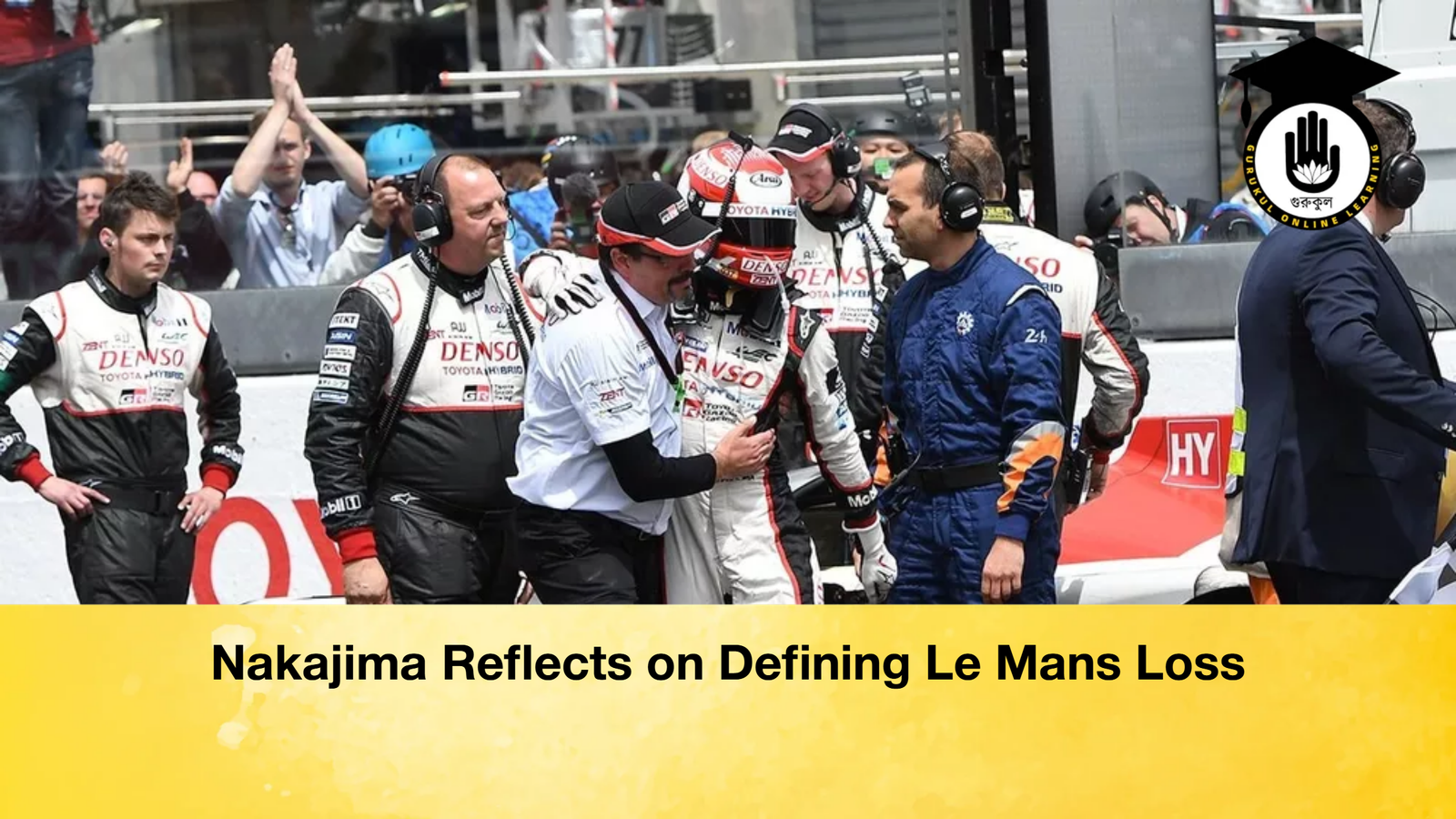
Despite these accolades, Nakajima’s choice of highlight centres on heartbreak rather than victory. In 2016, Toyota’s No. 8 car, co-driven by Nakajima, appeared destined for a historic Le Mans win—only to grind to a halt on the final lap with a technical failure.
“It was the toughest moment imaginable,” Nakajima reflected. “But from a performance perspective, it was arguably our finest race. Until the closing minutes, everything had gone perfectly.”
Rather than defining the team by defeat, Nakajima views the episode as transformative. The near-miss instilled belief that Toyota had the pace, discipline, and resilience to conquer Le Mans—something he felt had been lacking prior to that race. In his words, it served as a “game changer”, shifting the team’s mentality from hopeful contender to genuine frontrunner.
Ironically, he considers the following year’s 2017 Le Mans campaign an even deeper low. Armed with renewed confidence and an expanded three-car effort, Toyota entered as a favourite but suffered multiple setbacks, ultimately falling short once again. “That was a wake-up call,” Nakajima admitted, emphasising the need for relentless improvement even after apparent progress.
Toyota’s long-awaited breakthrough came in 2018, albeit in a reduced competitive field following the withdrawal of major rivals. While critics questioned the context of that victory, Nakajima remains proud of the team’s execution, particularly its advancements in reliability.
Today, the competitive landscape has shifted dramatically. The Hypercar era has ushered in fierce opposition, notably from Ferrari, which claimed both titles in 2025. Far from lamenting the increased challenge, Nakajima welcomes it as a sign of the championship’s renewed health.
“We always wanted strong competition,” he said. “It makes the series better and pushes us harder.”
Looking ahead, Toyota continues to evolve, learning from recent setbacks and preparing new machinery for future campaigns. While the milestone of 100 races is a moment for reflection, Nakajima remains focused on progress rather than nostalgia.
Reaching 200 starts, he admits, once seemed unimaginable. Now, however, it feels like a distant but achievable horizon—provided the team continues to embrace both triumph and adversity with equal determination.

Sufi Arshan Aziz Faruq | Contributor | sportsgoln.com
Sufi Aarshan Aziz Faruq is a car enthusiast
Follow Me