
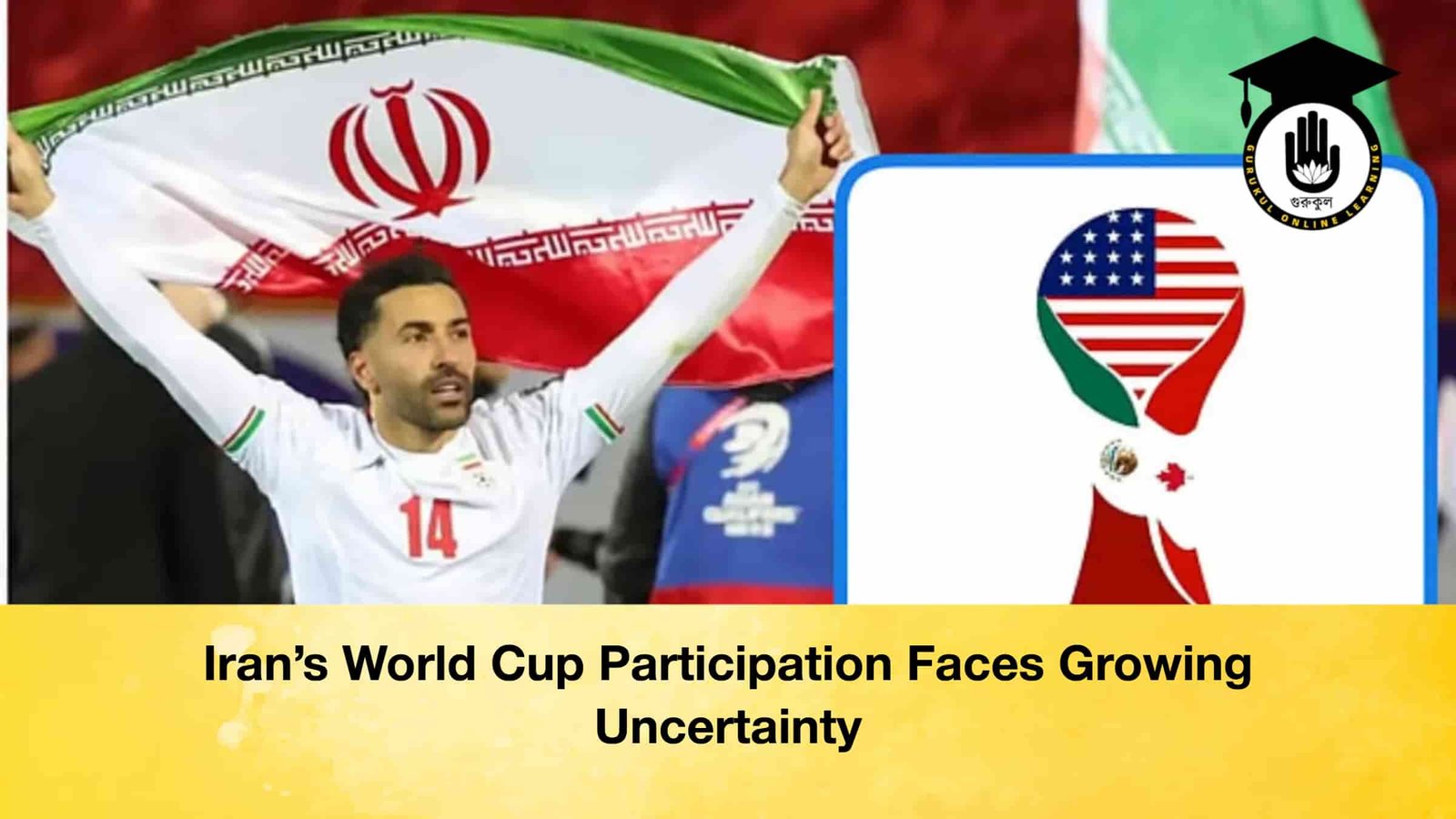

The skies over the Middle East are tense, streaked with the roar of fighter jets and the acrid smell of smoke and explosives. Following recent airstrikes by the United States and Israel, the resulting unrest in Iran has raised concerns not only regionally but also within the international sporting community. These developments have cast a shadow over the upcoming 2026 FIFA World Cup, scheduled to take place across the United States, Canada, and Mexico. According to the Iranian Red Crescent, the conflict has claimed 555 lives to date.
Amid this turmoil, a pressing question has emerged in global football circles: will Iran be able to participate in the World Cup, or will domestic security and political considerations compel the nation to withdraw?
Risks and Factors Affecting Iran’s Participation
Analysts have identified three primary factors that could jeopardise Iran’s involvement:
| Risk Factor | Description |
|---|---|
| Self-imposed boycott | In protest against attacks on its territory, Iran may voluntarily withdraw from the tournament. |
| Security concerns | FIFA and other authorities may struggle to guarantee the safety of Iranian players abroad. |
| U.S. travel restrictions | Previous policies under the Trump administration limited Iranian citizens’ entry to the United States, though exemptions for athletes have been discussed. |
FIFA Secretary-General Matías Grafström has expressed cautious optimism, stating, “Our goal is to ensure a safe World Cup where all qualified teams can participate.” Conversely, Iran Football Federation President Mehdi Taj voiced apprehension to local media, remarking, “Expecting Iran to compete after these attacks may be unrealistic.”
FIFA’s Contingency Plans
Iran was drawn in Group G alongside New Zealand, Belgium, and Egypt. Should Iran withdraw at the last minute, FIFA has outlined two potential approaches:
Proceed with a three-team group.
Invite a replacement team to fill Iran’s slot.
FIFA regulations allow the governing body discretion to make final decisions in unforeseen circumstances.
Potential Replacement Teams
Based on Asian qualification results, possible replacements include the United Arab Emirates or Iraq. Iraq is scheduled to contest an intercontinental playoff later this month; a victory would strengthen its claim, whereas a loss would shift preference to the UAE. FIFA also retains the option to invite a team from outside the Asian confederation if necessary.
Historical Context
Last-minute withdrawals from the World Cup are rare. In 1950, India’s withdrawal reduced the tournament to just 13 participating teams. Although there are precedents in club competitions, the stakes and scale of the World Cup are far greater.
Experts suggest that relocating the tournament or imposing a global boycott is unlikely. Nevertheless, political and security uncertainties surrounding Iran’s participation continue to pose a challenge for FIFA and the international football community. Ultimately, Iran’s decision rests with national sporting authorities, and the world watches closely.